For centuries, the tarot has been shrouded in a veil of mystique, often associated with dimly lit rooms, crystal balls, and absolute predictions of the future. But beneath the cinematic tropes lies a profound, elegant tool for self-reflection and personal empowerment. You do not need innate psychic powers or supernatural gifts to read tarot. Rather, you only need a willingness to look inward, an appreciation for symbolism, and an open heart.
At its core, tarot is a visual language. It is a mirror reflecting the landscape of your subconscious mind. When we shuffle the cards and lay them out, we are not necessarily divining an unchangeable fate. Instead, we are accessing our own intuition, using the rich imagery of the cards to bypass our everyday anxieties and tap into a deeper well of inner wisdom.
If you have ever felt drawn to the beautiful artwork of a tarot deck but felt intimidated by the seemingly endless rules and meanings, this guide is for you. Here is a practical, grounded approach to beginning your tarot journey today.
The Anatomy of a Tarot Deck
Before you can speak a language, it helps to understand its alphabet. A traditional tarot deck consists of 78 cards, divided into two main categories: the Major Arcana and the Minor Arcana. Understanding this structure transforms a daunting stack of cards into a beautifully organized map of the human experience.
The Major Arcana: The Soul's Journey
The Major Arcana consists of 22 cards, beginning with The Fool (0) and ending with The World (21). These cards represent the overarching themes, major life lessons, and karmic shifts in our lives. Psychologist Carl Jung often spoke of archetypes—universal symbols that reside within the collective unconscious of humanity. The Major Arcana is essentially a gallery of these archetypes: The Mother (The Empress), The Father (The Emperor), The Wise Guide (The Hermit), and the sudden upheaval of the status quo (The Tower).
When a Major Arcana card appears in a reading, it suggests that you are dealing with significant, foundational energies. It is an invitation to look at the bigger picture of your life's trajectory.
The Minor Arcana: The Daily Details
The remaining 56 cards make up the Minor Arcana. If the Major Arcana represents the major plot points of a novel, the Minor Arcana represents the daily dialogue, the passing moods, and the routine actions of the characters. These cards are divided into four suits, much like a standard deck of playing cards.
As astrological tradition suggests, the suits correspond to the four elements, providing a beautiful framework for understanding their energy:
- Wands (Fire): Associated with passion, creativity, action, and inspiration. Wands are the spark of a new idea and the drive to see it through.
- Cups (Water): Associated with emotions, relationships, intuition, and love. Cups navigate the fluid, deeply felt experiences of the human heart.
- Swords (Air): Associated with intellect, communication, conflict, and truth. Swords cut through illusion but can also represent the double-edged nature of our own thoughts and anxieties.
- Pentacles (Earth): Associated with the material world, finances, career, nature, and the physical body. Pentacles ground us in the tangible reality of our daily work and physical resources.
Each suit contains cards numbered Ace through Ten, plus four Court Cards (Page, Knight, Queen, King), which often represent specific approaches to the suit's energy or people in our lives.
Choosing Your First Deck
There is a persistent, outdated myth that your first tarot deck must be gifted to you. Let us release that idea right now. Waiting for someone else to buy you a deck only delays your personal practice. You are entirely empowered to choose your own tools.
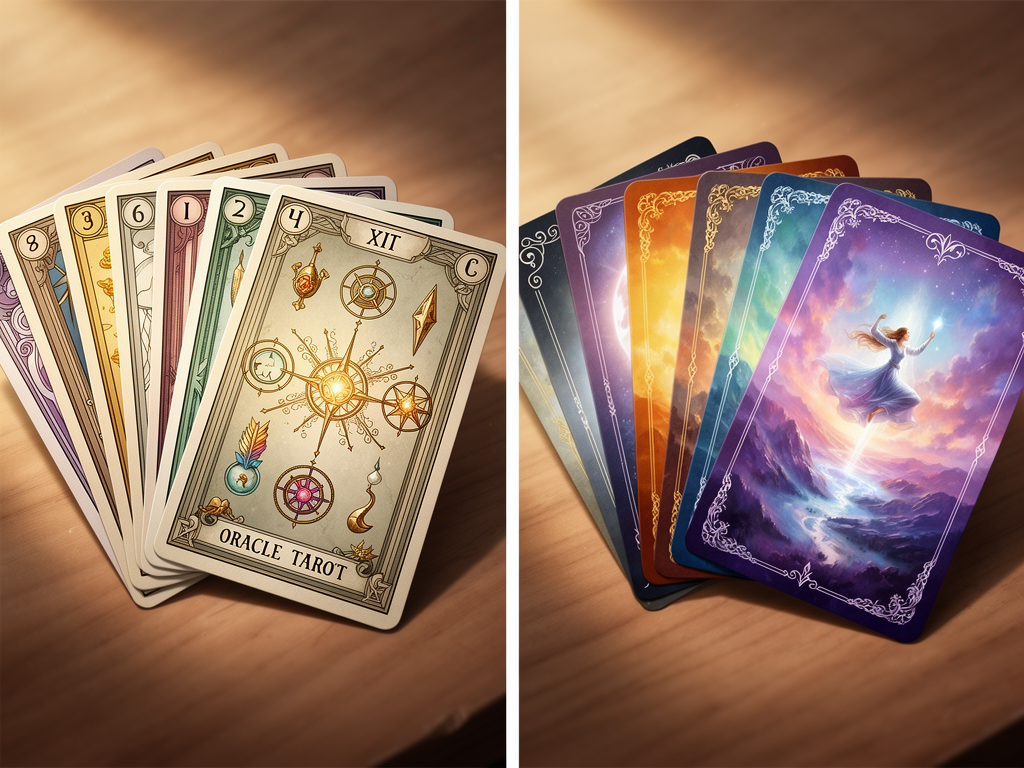
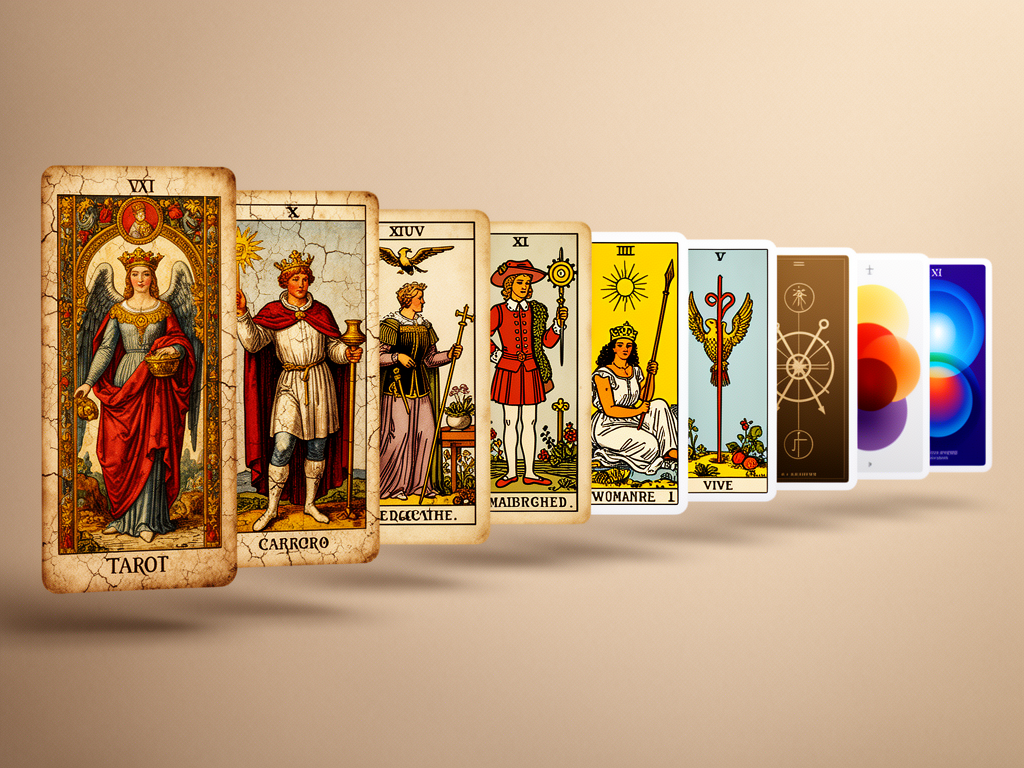
When selecting your first deck, look for imagery that speaks to you. The classic Rider-Waite-Smith (RWS) deck, illustrated by Pamela Colman Smith in 1909, is the foundation for most modern tarot instruction. Because its imagery is so narrative—each card tells a clear visual story—it is highly recommended for beginners.
However, if the traditional RWS art does not resonate with you, there are thousands of beautiful, modern decks available. Look for a deck loosely based on the RWS system so that you can easily follow along with guidebooks and online resources. The most important factor is that the artwork evokes an emotional or intuitive response within you.
Preparing Your Space and Mind
Tarot is a ritual of mindfulness. Before you draw a card, it is beneficial to transition from the chaotic energy of your daily life into a state of receptivity.
Many practitioners believe that taking a few moments to clear the energy of the deck and your space enhances the clarity of the reading. You do not need elaborate tools to do this. Simply holding the deck in your hands, closing your eyes, and taking three deep, grounding breaths is enough to center your awareness.
As you shuffle the cards, focus on the physical sensation. Feel the texture of the paper, the sound of the cards moving against one another, and the weight of the deck in your hands. This sensory engagement brings you into the present moment. Set an intention for your reading. A good intention is open, curious, and empowering. Instead of asking, "Will I get the job?" try asking, "What energy should I embody to succeed in my career right now?"
How to Read the Cards Without Memorizing Every Meaning
One of the biggest hurdles for beginners is the belief that they must memorize the exact meaning of all 78 cards before they can do a reading. This is simply not true. While studying traditional meanings is valuable over time, your intuition is your most potent tool.
When you turn over a card, before you reach for the guidebook, pause and simply look at the image. Ask yourself:
- What is the first thing my eye is drawn to?
- What colors dominate the card? Are they bright and energetic, or dark and moody?
- What is the expression on the figure's face?
- What story is playing out in this scene?
- How does this card make my body feel? (Do I feel expansive and light, or tense and contracted?)
For example, if you draw the Three of Swords—traditionally a card of heartbreak, often depicting a heart pierced by three swords amidst a rainstorm—you do not need a book to tell you that this card speaks of sorrow or emotional release. The imagery communicates the feeling directly.
Use the guidebook as a trusted companion, not a rigid rulebook. Read the description, take what resonates with your specific situation, and gently leave the rest behind.
Your First Reading: The Daily Pull
The best way to learn tarot is not by doing massive, ten-card spreads on your first day. The most effective method is to start small and build a relationship with the deck over time.
Begin with the "Daily Pull." This practice is designed to anchor you in the present moment and give you a focal point for your day.
- Shuffle: Shuffle your deck while taking deep breaths.
- Ask: Ask a simple question, such as, "What energy do I need to embrace today?" or "What is my lesson for today?"
- Draw: Pull one card from the deck. You can cut the deck and take the top card, or fan them out and choose the one you feel drawn to.
- Reflect: Spend two minutes studying the card. Write down a few keywords or thoughts in a journal.
- Review: At the end of the day, reflect on how the themes of that card manifested in your experiences.
Moving Forward: A Simple Three-Card Spread
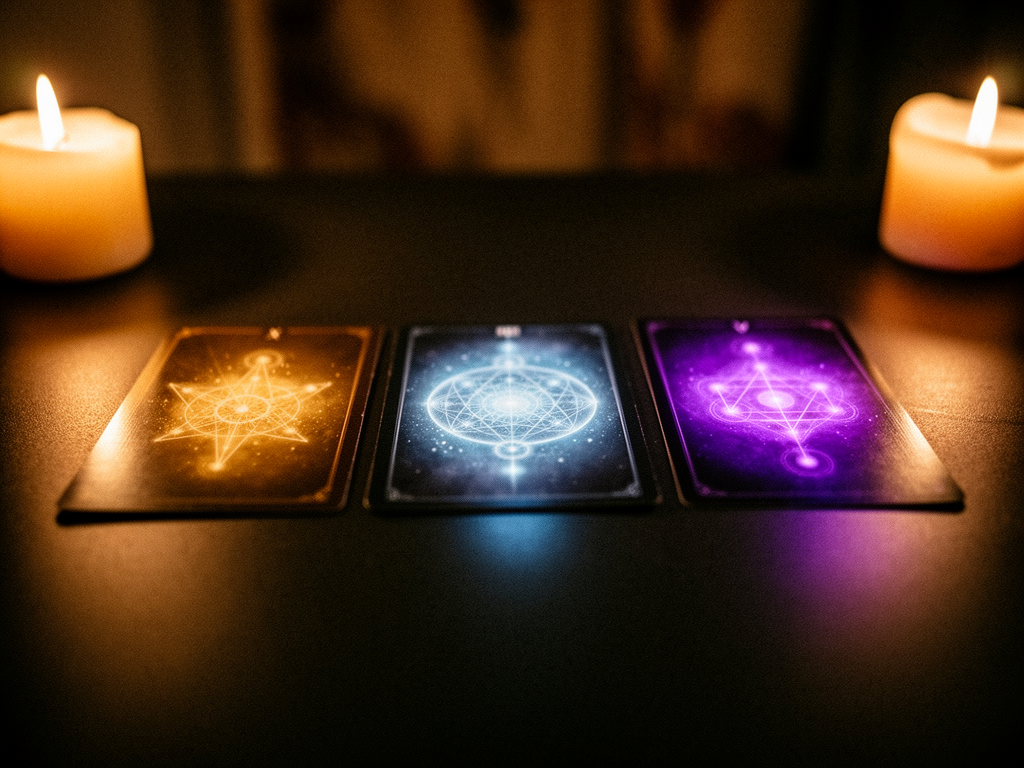
Once you feel comfortable with single cards, you can introduce a simple three-card spread to explore dynamics and narratives. Place three cards left to right in front of you. Here are a few accessible frameworks for a three-card reading:
- Past / Present / Future: A classic spread for understanding the trajectory of a situation.
- Mind / Body / Spirit: Excellent for personal check-ins and holistic alignment.
- Situation / Obstacle / Advice: Perfect for navigating a specific challenge or decision.
Remember to read the cards not just individually, but as a cohesive story. How do the figures in the cards interact? Are they facing each other or turning away? Is there a progression from the stormy energy of Swords into the grounded energy of Pentacles? The magic of tarot often lies in the spaces between the cards.
Navigating "Scary" Cards
Inevitably, you will pull a card that looks intimidating. The Death card, The Tower, and The Devil are notorious for causing a spike of anxiety in new readers. It is vital to remember that tarot does not make absolute predictions. These cards are not curses or omens of doom; they are profound psychological symbols.
The Death card rarely means literal death; rather, it signifies necessary transformation, endings, and the clearing of old growth so new life can emerge. It is the compost of the soul. The Tower represents sudden revelation, the dismantling of false foundations, and the breaking of illusions. The Devil speaks to our shadow selves, our attachments, and the self-imposed chains of materialism or unhealthy habits.
When these cards appear, greet them with respect rather than fear. They are powerful teachers inviting you to shed what no longer serves you and step into a more authentic version of yourself.
A Lifelong Practice
Tarot is a lifelong practice of self-discovery. There is no "finish line" where you suddenly know everything there is to know about the cards. Even seasoned readers with decades of experience continually discover new layers of meaning in the imagery.
Approach your deck with patience, grace, and curiosity. Allow it to be a trusted confidant, a mirror for your soul, and a beautifully illustrated map of your inner world. You have all the wisdom you need already inside of you; the cards are simply the keys to unlocking it.
Your Actionable Practice
Tonight, or at your earliest quiet moment, take your deck and try this brief introductory ritual:
Shuffle the cards thoroughly until they feel warm in your hands. Spread them out face down in a wide arc. Hover your non-dominant hand over the cards until you feel a slight pull, warmth, or intuitive nudge. Draw that single card.
In a notebook, write down the name of the card and three physical details you notice in the artwork. Then, answer this single prompt: If this card had a voice, what encouraging advice is it whispering to me right now?
Trust the very first answer that comes to your mind. That is your intuition speaking. Welcome to the practice.