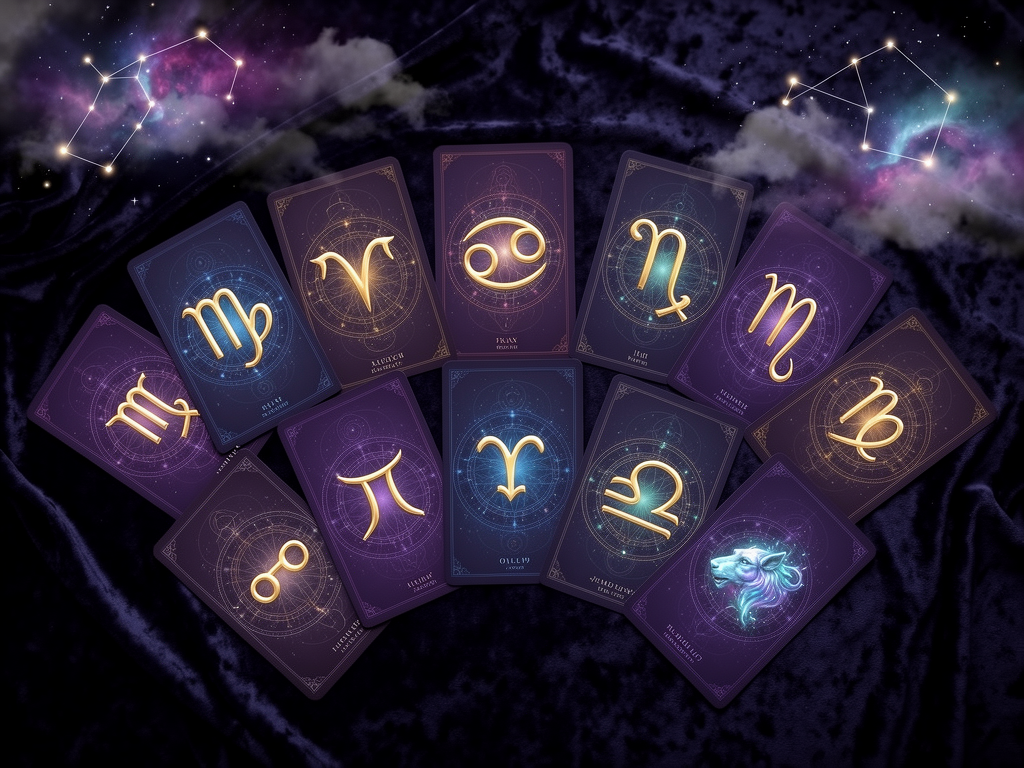
For centuries, seekers of wisdom have turned to the shuffling of cards to find clarity, comfort, and direction. In our modern era, the allure of cartomancy remains as potent as ever. Whether you are navigating a complex life transition or simply seeking a moment of quiet reflection before the day begins, laying out beautifully illustrated cards can serve as a profound anchor.
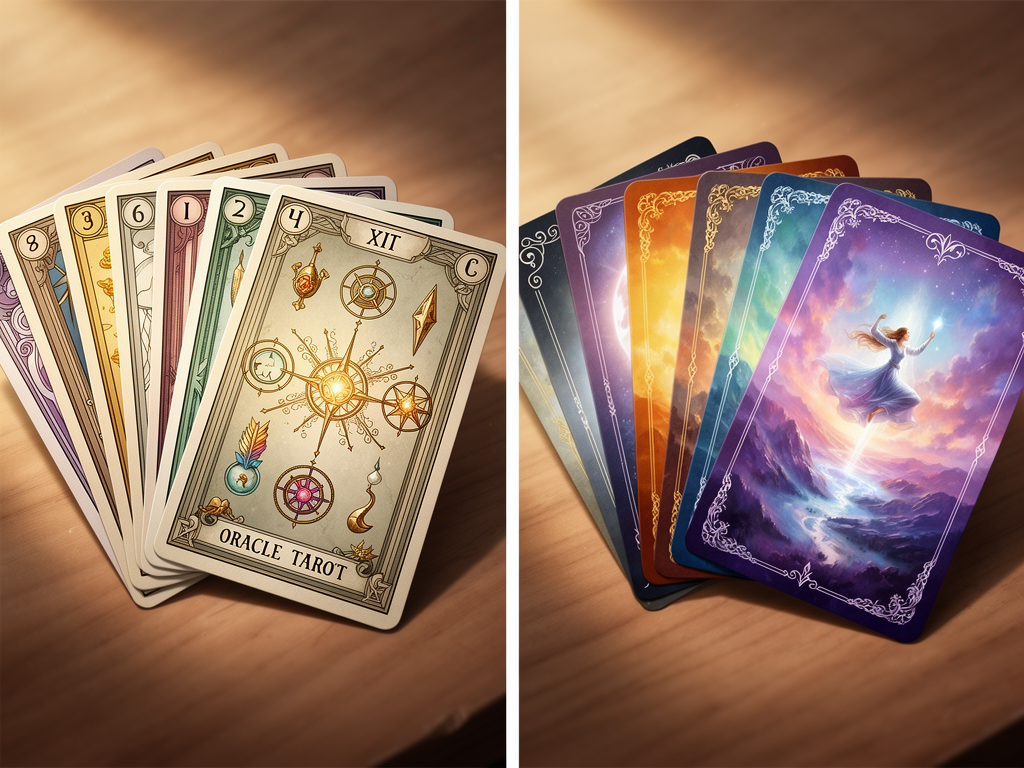
Yet, as you stand before a display of decks or browse online, you are immediately faced with a choice: Tarot or Oracle? While both are magnificent tools for introspection, they operate on entirely different frameworks. Understanding the distinction between the two is the first step in cultivating a meaningful, personalized practice.
The Architecture of Tarot: A Structured Journey
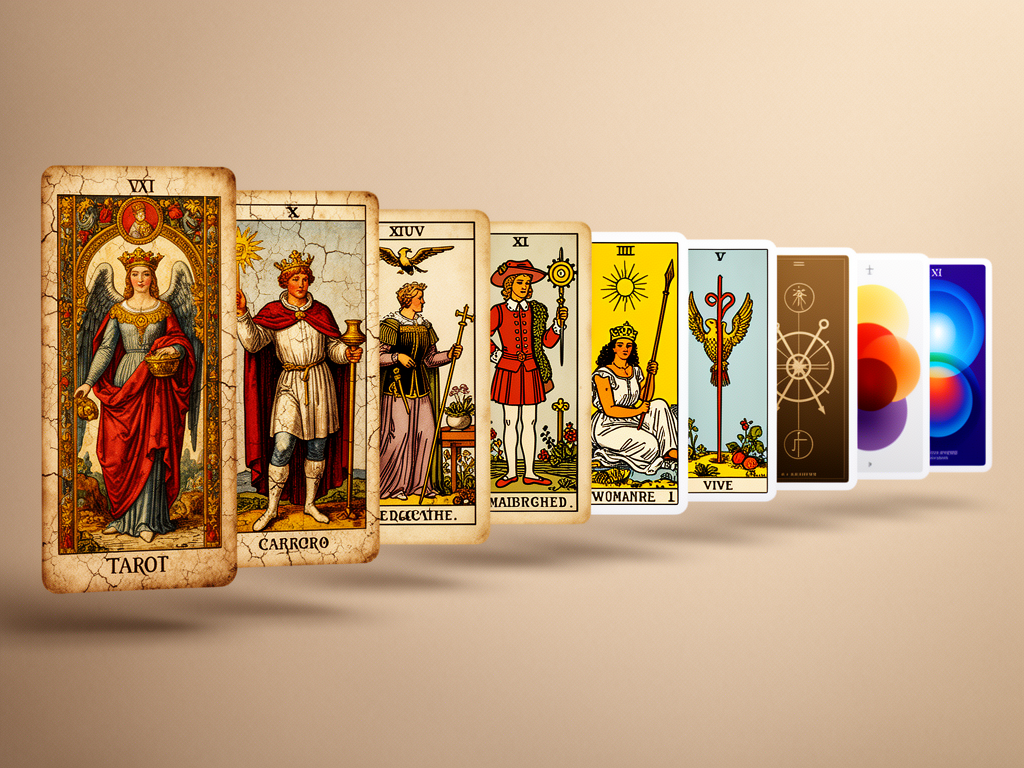
To understand Tarot is to understand an ancient, highly structured architectural system. A traditional Tarot deck always consists of 78 cards, divided into two distinct categories: the Major Arcana and the Minor Arcana.
The Major Arcana
The 22 cards of the Major Arcana represent the overarching themes of human existence. Often referred to as "The Fool's Journey," these cards map the soul's evolution from innocence (The Fool) through various trials, awakenings, and transformations, culminating in ultimate wholeness (The World). When a Major Arcana card appears in a reading, many practitioners believe it signals a significant life lesson, a karmic cycle, or a deep psychological shift that is currently at play.
The Minor Arcana
The remaining 56 cards comprise the Minor Arcana, which focus on the daily, granular experiences of human life. These are further divided into four suits—typically Wands, Cups, Swords, and Pentacles (or Coins). Astrological tradition suggests that each of these suits corresponds to specific elemental energies:
- Wands (Fire): Passion, inspiration, action, and creative drive.
- Cups (Water): Emotions, relationships, intuition, and the subconscious.
- Swords (Air): Intellect, communication, conflict, and mental clarity.
- Pentacles (Earth): Material wealth, physical health, career, and the tangible world.
Because of this rigid structure, learning Tarot is akin to learning a new language. It requires studying the traditional meanings, understanding numerology, and grasping how the elements interact with one another. The Tarot does not shy away from the shadow aspects of life; cards like The Tower or the Ten of Swords confront us with the reality of sudden upheaval and painful endings. However, this comprehensive lexicon is exactly what makes Tarot so profoundly detailed and revealing. It acts as a precise mirror to the subconscious mind.
The Freedom of Oracle Cards: Fluidity and Intuition
If Tarot is a structured, classical symphony, Oracle cards are a freeform jazz improvisation. Oracle decks are bound by no historical rules, no fixed number of cards, and no required suits. An Oracle deck can contain anywhere from 20 to 100 cards, though most hover around 40 to 50.
Thematic Wisdom
The defining characteristic of an Oracle deck is its thematic focus, which is entirely determined by the deck's creator. You might find Oracle decks based on animal spirit guides, sacred geometry, botanical folklore, moon phases, or archetypal goddesses. Each card usually features a keyword, a phrase, or a short mantra, accompanied by a guidebook that elaborates on the creator's specific intention for that card.
Many practitioners believe that Oracle cards offer a more direct, gentle form of guidance. Because they are not beholden to the sometimes-intimidating imagery of traditional Tarot, Oracle cards are incredibly accessible. They rely heavily on the reader's immediate intuitive response to the artwork and the word on the card.
While Tarot provides a deeply analytical breakdown of a situation, Oracle cards tend to offer an overarching thematic message. They are often profoundly affirming, designed to uplift, comfort, and gently realign the reader with their higher self.
Key Differences at a Glance
To synthesize the nuances between these two systems, consider these core distinctions:
- Structure: Tarot follows a strict 78-card system with specific suits and archetypes. Oracle decks are completely fluid, with the number of cards and their meanings dictated solely by the creator.
- Learning Curve: Tarot requires study, memorization, and an understanding of interconnected systems (like numerology and elemental dignities). Oracle cards can be read intuitively right out of the box, leaning on the provided guidebook and the reader's immediate emotional response.
- Tone: Tarot encompasses the full spectrum of the human experience, including harsh truths and shadow work. Oracle decks generally lean toward the light, focusing on affirmation, gentle guidance, and spiritual encouragement.
- Scope of Reading: Tarot is excellent for complex storytelling, showing the past, present, future, and underlying psychological motivations. Oracle cards are exceptional for setting a daily tone, offering a single point of focus, or delivering a summarized piece of advice.
When to Reach for Which Deck
Choosing between Tarot and Oracle often depends on the type of inquiry you have and the energetic space you currently occupy.
When to Use Tarot
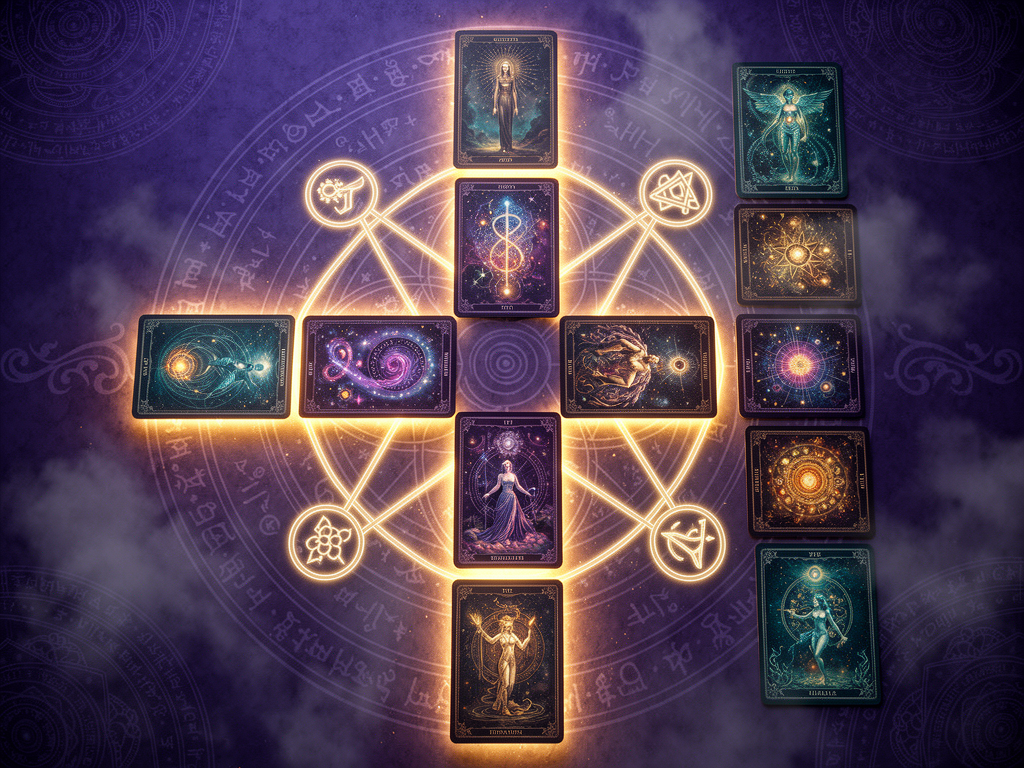
Reach for your Tarot deck when you are facing a complex situation that requires nuanced understanding. If you are standing at a crossroads in your career, navigating a complicated relationship dynamic, or trying to unearth the root cause of a recurring behavioral pattern, Tarot is your tool. The structured nature of the deck allows you to lay out a detailed spread—such as the classic Celtic Cross—that examines the situation from multiple angles, revealing subconscious blocks, external influences, and potential trajectories.
When to Use Oracle
Reach for your Oracle deck when you need immediate clarity, a gentle embrace, or a spiritual focal point. Oracle cards are perfect for a morning ritual; pulling a single card can set a beautiful, mindful intention for the day ahead. They are also ideal when you are feeling emotionally raw or overwhelmed. Sometimes, the stark imagery of a Tarot reading is too intense for a weary nervous system. In these moments, the soothing, supportive nature of an Oracle card provides exactly the right medicine.
The Alchemy of Combining Both
Perhaps the most beautiful aspect of cartomancy is that you do not have to choose just one. In fact, many seasoned readers use both systems simultaneously to create a rich, multi-dimensional reading.
The Anchor Card Method
One popular way to combine the two is to pull a single Oracle card before beginning a Tarot reading. The Oracle card serves as the "anchor" or the overarching theme of the reading. For example, if your Oracle card is "Forgiveness," and your subsequent Tarot spread reveals a lot of conflict and mental anguish (such as the Suit of Swords), you can interpret the detailed Tarot cards through the lens of learning to forgive yourself or another.
The Clarifier Method
Alternatively, you can use an Oracle deck at the end of a Tarot reading. After you have analyzed the complexities of the Tarot spread, you might pull one final Oracle card as the ultimate piece of advice or the "next right step" to take as you integrate the wisdom of the reading.
How to Choose Your First (or Next) Deck
Whether you are drawn to the ancient lexicon of Tarot or the fluid grace of an Oracle deck, selecting a deck is a highly personal experience. Here are a few practical steps to guide your choice:
- Prioritize Aesthetic Resonance: The imagery is the language through which your intuition will speak. If you do not connect with the art, you will struggle to connect with the messages. Look for artwork that stirs something within you—be it awe, comfort, or curiosity.
- Consider the Theme: If choosing an Oracle deck, select a theme that aligns with your current spiritual interests. If you feel deeply connected to nature, a botanical or animal-themed deck will likely resonate beautifully.
- Examine the Guidebook: Especially for beginners, a well-written guidebook is invaluable. Look for decks where the creator has provided thoughtful, expansive interpretations rather than just a few keywords.
- Trust Your Gut: Sometimes, a deck simply calls to you. Even if it seems more complex or different from what you usually gravitate toward, trust that intuitive pull.
Establishing Your Practice
Once you have your deck, the most important step is to cultivate a consistent, respectful relationship with it. This practice is designed to help you bypass the chatter of the conscious mind and tap into a deeper well of inner knowing.
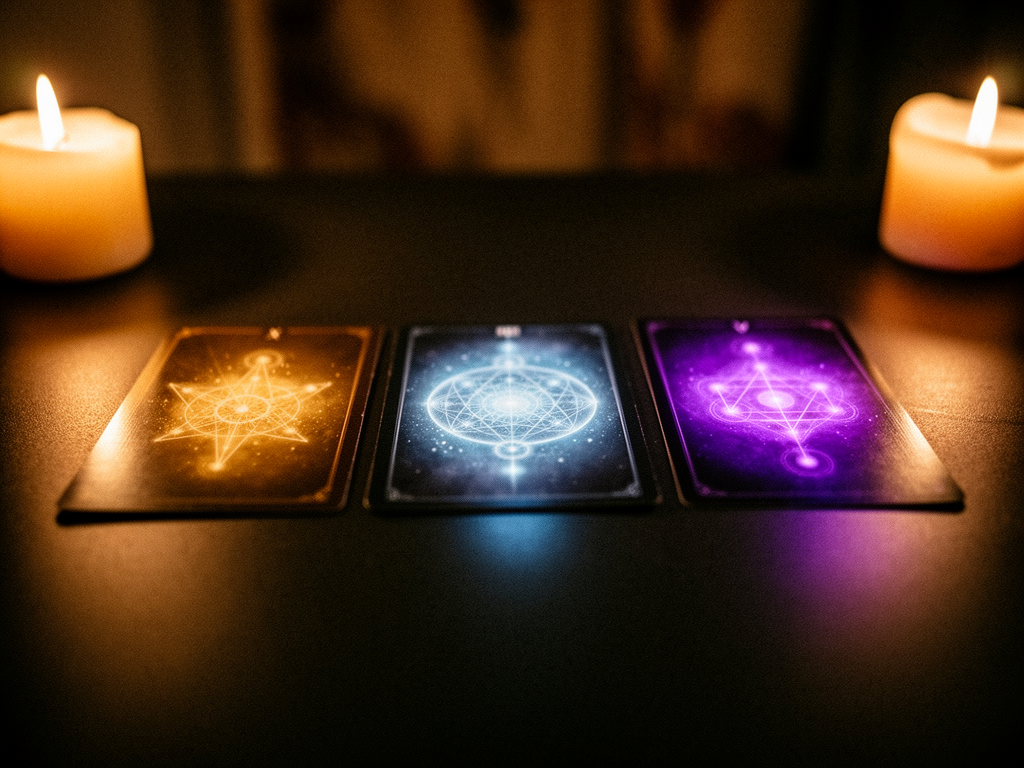
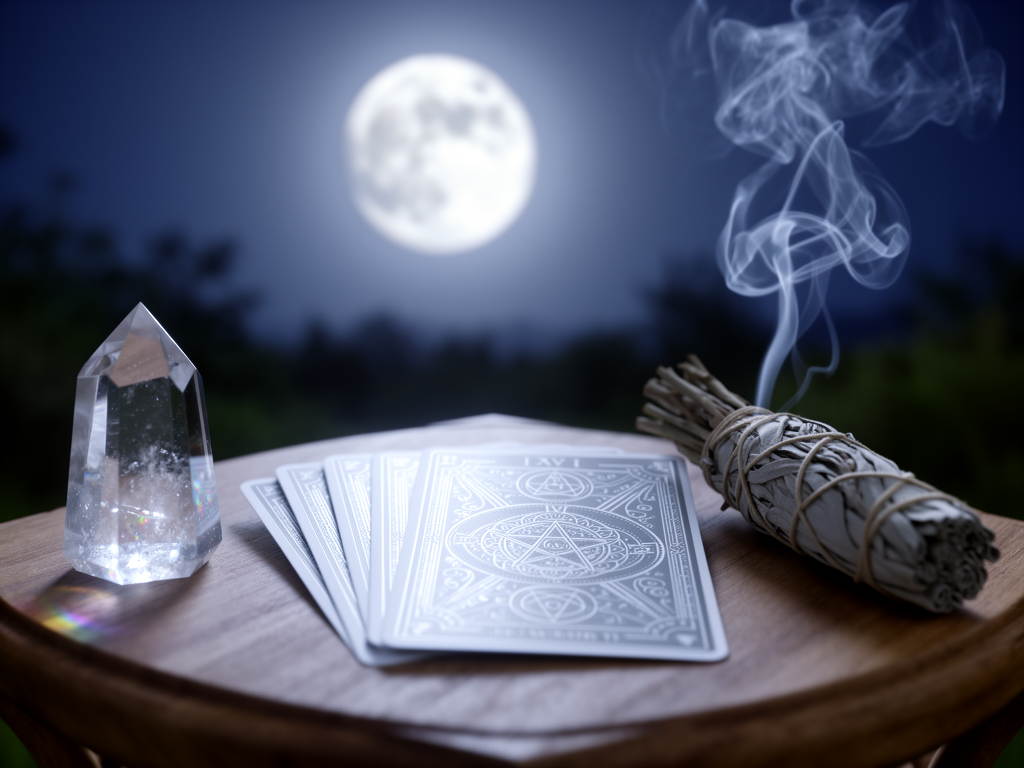
Begin by clearing the physical space around you. You might light a candle or burn some ethically sourced incense. Hold the deck in your hands, close your eyes, and take three deep, grounding breaths. Shuffle the cards until you feel a physical or intuitive prompt to stop.
As you draw a card, notice your immediate physical and emotional reaction before you even reach for the guidebook. What colors stand out to you? What is the figure in the card doing? How does the image make your body feel? This initial, unfiltered response is the voice of your intuition.
A Closing Reflection
Both Tarot and Oracle cards are profound tools for self-discovery, each offering a unique pathway to the same destination: a deeper understanding of yourself and your place in the cosmos. Tarot provides the map, rich with topographical detail and historical depth. Oracle provides the compass, pointing you gently but firmly toward your true north.
Actionable Practice: Tomorrow morning, before looking at your phone or starting your daily tasks, shuffle the deck of your choice. Ask a simple, open-ended question: "What energy do I need to embody today?" Pull a single card. Prop it up somewhere visible, or carry it in your mind's eye as you move through your day, allowing its specific wisdom to subtly guide your interactions and choices.