There is a distinct, quiet magic in the shuffling of a tarot deck. As the cards slide against one another, we are often struck by the profound weight of the archetypes they depict: the soaring hope of The Star, the quiet introspection of The Hermit, the sudden upheaval of The Tower. In the modern era, tarot has become a beloved companion for those seeking inner wisdom, a mirror reflecting our deepest psychological landscapes. Yet, the origins of these evocative cards are far removed from the velvet-draped tables of mystics and the quiet meditation alters of today.
To understand tarot is to embark on a journey through centuries of human history, tracing a path that winds from the lively parlors of Renaissance Italy through the esoteric salons of 18th-century France, and finally into the realms of depth psychology and modern spirituality. It is a story of how a simple game of chance evolved into a complex map of the human soul.
The Parlor Games of Renaissance Italy
The story of tarot does not begin in ancient Egypt or the mythical lost city of Atlantis, despite the romantic legends that would later surround it. Instead, the historical record places the birth of tarot firmly in the opulent courts of 15th-century Northern Italy.
Originally known as carte da trionfi (cards of triumph), these early decks were commissioned by wealthy noble families, most notably the Visconti and Sforza families of Milan. The surviving cards from the Visconti-Sforza decks are breathtaking works of art, meticulously hand-painted and illuminated with gleaming gold leaf. However, they were not created to divine the future. They were used to play a complex trick-taking game, similar to modern-day Bridge or Spades, known later as Tarocchi.
These early decks consisted of the standard four suits—Swords, Batons (Wands), Coins (Pentacles), and Cups—which were already common in Islamic playing cards brought to Europe via trade routes. The Italian innovation was the addition of a fifth suit: a series of twenty-one illustrated trump cards, plus a wild card known as Il Matto (The Fool). The imagery on these trump cards was drawn directly from the cultural milieu of the Renaissance, featuring recognizable figures like the Pope, the Emperor, and allegorical representations of virtues such as Justice and Fortitude. For centuries, tarot remained a popular, delightfully ordinary parlor game, completely devoid of occult associations.
The Shift Toward the Mystical
The transformation of tarot from a card game to a mystical instrument began in the late 18th century, primarily in France. As the Enlightenment championed reason and science, a counter-movement of romanticism and occultism began to flourish, seeking ancient, hidden wisdom.
In 1781, a Swiss clergyman and Freemason named Antoine Court de Gébelin published a massive, multi-volume work titled Le Monde Primitif. In it, he claimed that the tarot was not a simple game, but rather the legendary "Book of Thoth," a repository of ancient Egyptian magical wisdom saved from the ruins of burning temples. Although modern Egyptology has definitively proven that Court de Gébelin’s claims were historically inaccurate—hieroglyphs had not yet been deciphered, and his linguistic connections were entirely fabricated—the spark had been ignited.
The public imagination was captivated. Shortly after Court de Gébelin’s publication, a French seed merchant named Jean-Baptiste Alliette, writing under the pseudonym Etteilla, took the concept further. Etteilla became the first person to popularize tarot divination. He assigned specific divinatory meanings to each card, incorporated elements of astrology, and designed the first tarot deck explicitly created for occult purposes. Through Etteilla, cartomancy (card reading) was commercialized, and the tarot’s reputation as a tool for fortune-telling was cemented.
The Occult Revival and the Golden Dawn
The 19th century witnessed a massive occult revival across Europe, and tarot was at the center of it. The French occultist Eliphas Lévi made a profound contribution by linking the twenty-two cards of the Major Arcana to the twenty-two letters of the Hebrew alphabet, thereby connecting tarot to the mystical tradition of the Kabbalah. Lévi’s work established the tarot as a complex esoteric system, a synthesis of various ancient spiritual traditions.
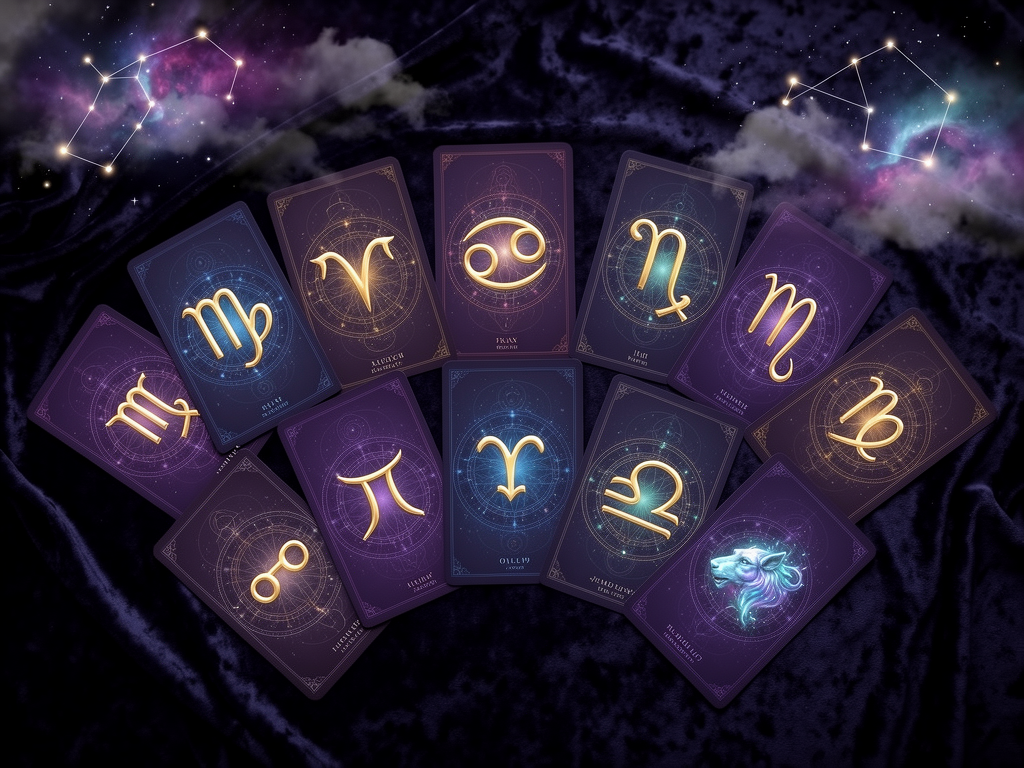
This synthesis reached its zenith across the English Channel with the Hermetic Order of the Golden Dawn, a British magical order founded in the late 19th century. The Golden Dawn integrated tarot with astrology, alchemy, and Hermetic philosophy. As astrological tradition suggests, the movements of the cosmos mirror internal shifts, a philosophy the Golden Dawn meticulously applied to the tarot, assigning specific planetary and zodiacal correspondences to the cards.
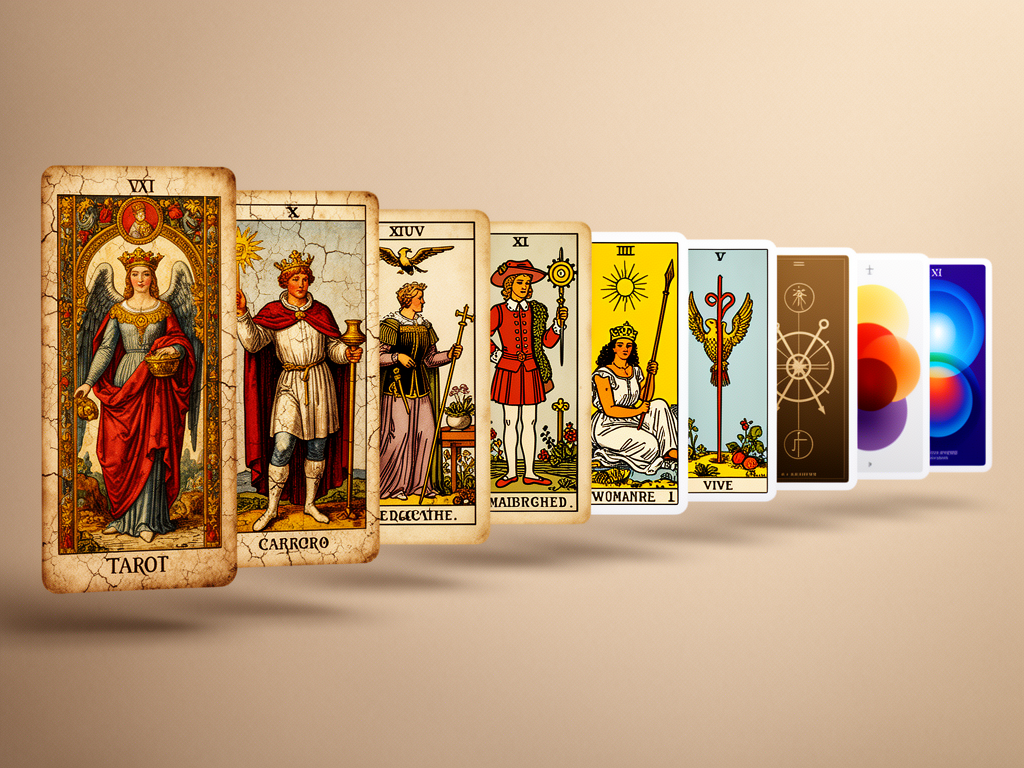
It was out of this fertile esoteric soil that the most influential tarot deck in history was born. In 1909, Arthur Edward Waite, a prominent member of the Golden Dawn, commissioned the brilliant artist Pamela Colman Smith to illustrate a new deck. The Rider-Waite-Smith (RWS) deck was revolutionary. Prior to this, the Minor Arcana cards (the numbered cards of the four suits) simply showed geometric arrangements of their suit symbols, much like modern playing cards. Smith, drawing on her theatrical background and intuitive genius, created evocative, scenic illustrations for every single card. Because of Smith’s visionary art, the cards became deeply accessible, allowing anyone to read the narrative emotional landscape of a spread. The RWS deck remains the standard upon which the vast majority of modern tarot decks are based.
The Psychological Turn: Jung and the Archetypes
As the 20th century progressed, the way we understood the human mind began to shift radically, largely due to the birth of psychoanalysis. It is here that tarot found a bridge between the mystical and the psychological.
The renowned Swiss psychiatrist Carl Jung never wrote a dedicated treatise on tarot, but his theories provided a profound new framework for understanding how the cards work. Jung proposed the existence of the "collective unconscious," a deep layer of the human psyche shared by all people, populated by "archetypes"—universal symbols and patterns of behavior.
When we look at the Major Arcana, we are looking at a catalog of Jungian archetypes: The Great Mother (The Empress), The Wise Old Man (The Hermit), The Trickster (The Magician), and the journey of individuation itself (The Fool's Journey).
Jung also coined the term "synchronicity" to describe meaningful coincidences that cannot be explained by cause and effect. In the context of tarot, synchronicity suggests that the card you draw is not a random accident, but a meaningful reflection of your current internal state. This psychological lens fundamentally shifted the practice. Instead of asking the cards "What will happen to me?" practitioners began to ask, "What is happening within me?"
Tarot in the Modern Era: A Tool for Deep Reflection
Today, tarot has experienced a massive renaissance, shedding its taboo reputation to become a widely embraced tool for mindfulness, self-care, and creative brainstorming. The modern tarot landscape is incredibly diverse, with thousands of independent artists creating decks that reflect a wide spectrum of cultures, aesthetics, and inclusive identities.
Modern readers approach the cards with a sense of grounded spirituality. Many practitioners believe that the cards do not dictate an immutable fate, but rather serve as a mirror reflecting our subconscious desires, fears, and potential paths. Tarot is used to prompt journal entries, to meditate on specific life themes, and to conduct "shadow work"—the process of exploring the hidden or repressed parts of the self.
While we honor the ancient wisdom and historical lineage of the cards, we no longer view them as magical objects that hold power over us. The power, modern practitioners understand, resides entirely within the person interpreting the symbols. The cards simply provide the vocabulary for our intuition to speak.
Integrating Tarot into Your Own Path
If you are spiritually curious and wish to explore tarot as a tool for personal growth, the best approach is one of gentle, open-minded inquiry. You do not need to memorize arcane esoteric texts or possess supernatural gifts to benefit from the cards.
Consider starting with the following practical steps:
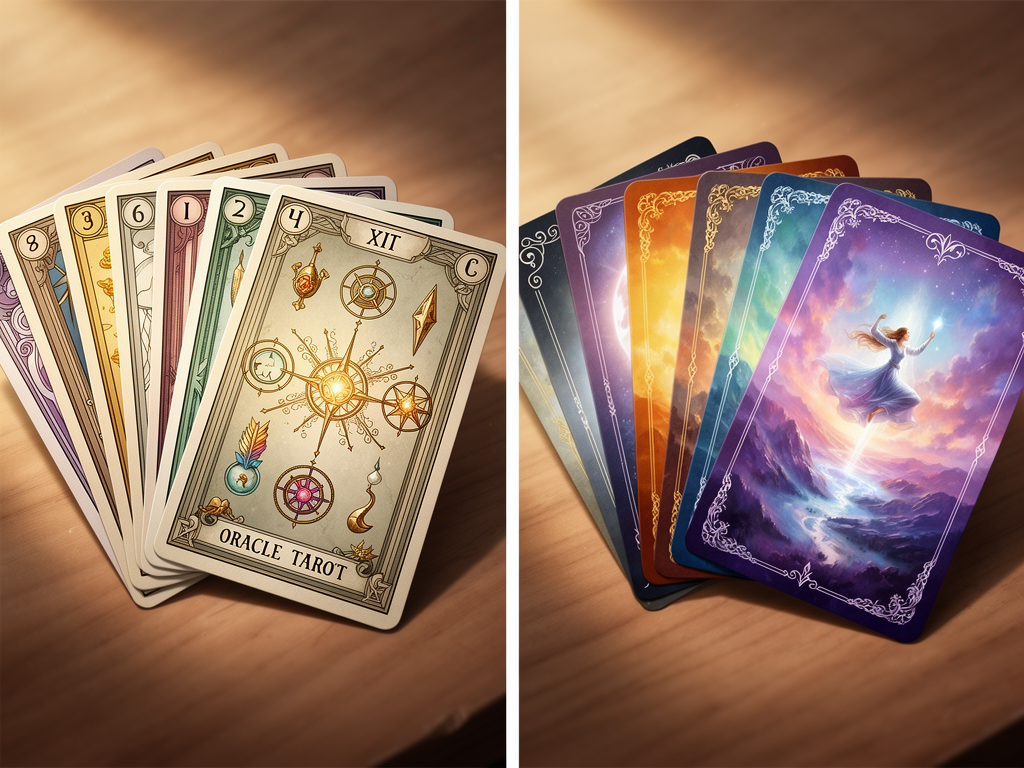
1. Choose a Deck That Resonates
While the Rider-Waite-Smith deck is a wonderful learning tool due to its rich symbolism, the most important factor is that the artwork speaks to you. Browse different decks and choose one that feels visually and emotionally compelling.
2. Create a Sacred Space
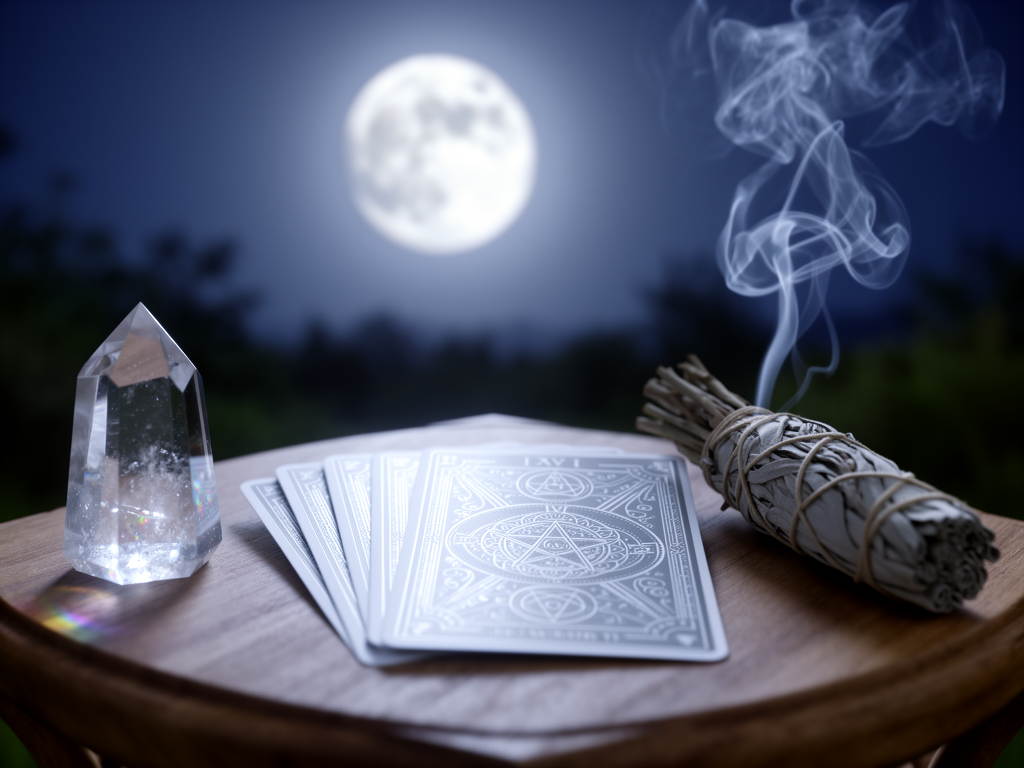
Treat your practice with respect. You might keep your cards in a special cloth or box. Before a reading, take a moment to clear the space. You can light a candle, take three deep breaths, and center your intentions. This practice is designed to help you bypass the analytical mind and drop into a state of receptive intuition.
3. Pull a Daily Card
One of the most effective ways to learn the tarot is to pull a single card each morning. Ask a simple question, such as, "What energy should I be aware of today?" or "What part of myself needs my attention?" Observe the imagery, notice what emotions arise, and carry that archetype with you throughout your day.
A Reflective Practice: The Three-Card Narrative
To close this exploration of tarot's rich history, I invite you to engage in a simple, actionable practice. This exercise is not about predicting the future, but rather about mapping your current internal landscape.
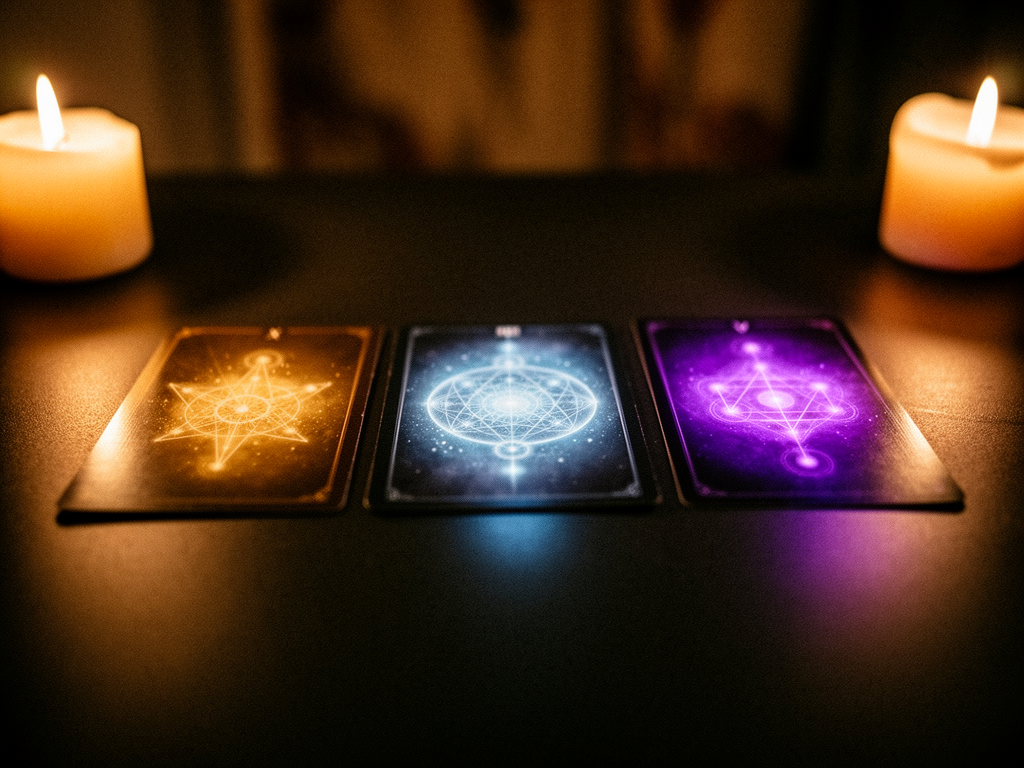
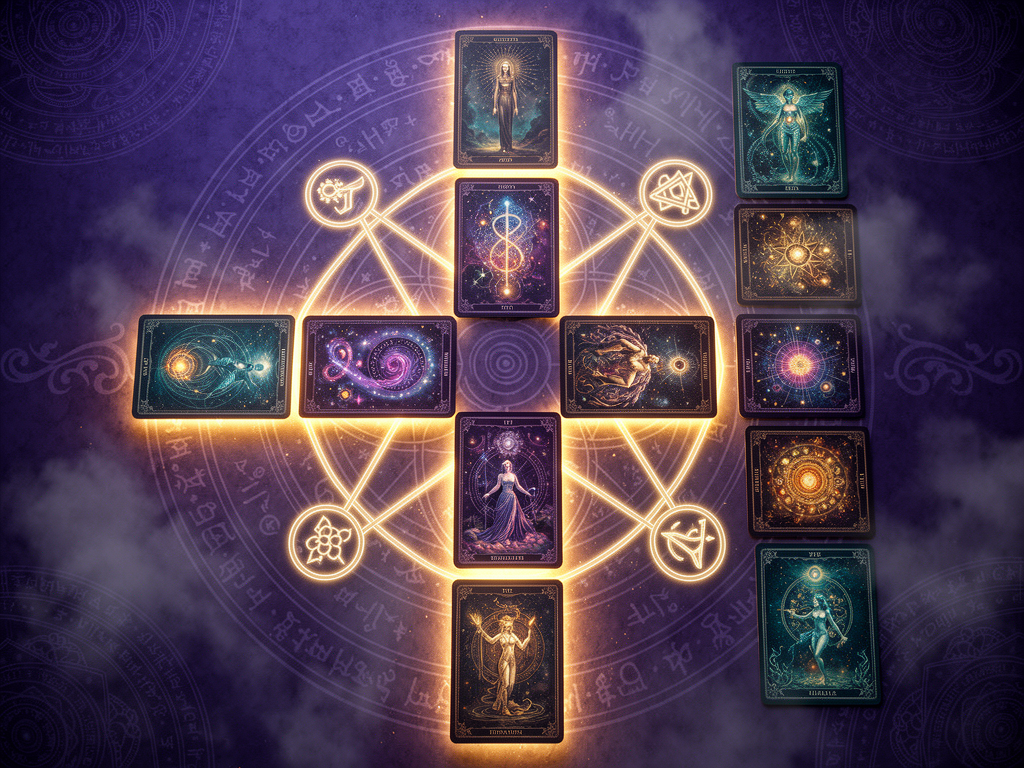
Shuffle your deck while focusing on a situation in your life that feels stagnant or confusing. When you feel ready, draw three cards and lay them out from left to right.
- Card 1 (Left): The Root. What is the underlying cause or past influence of this situation? What energy brought you to this moment?
- Card 2 (Center): The Present. What is the true nature of the situation right now? What is your current emotional or spiritual state regarding this issue?
- Card 3 (Right): The Invitation. What is the highest potential outcome if you act with alignment and integrity? What action or shift in perspective is the universe inviting you to take?
Take out a journal and write down your immediate reactions to the imagery on these three cards. Remember, there are no wrong answers. Like the Renaissance nobility who first held these painted images, and the mystics who later sought their hidden depths, you are simply engaging in a timeless human tradition: the search for meaning, beautifully reflected in the shuffle of the cards.