Have you ever wondered why certain years of your life flow with effortless grace, while others feel like a relentless series of profound initiations? You might spend a decade feeling relatively settled, only to wake up one morning with an undeniable urge to change your career, relocate across the world, or completely dismantle your existing structures. While psychology offers valuable frameworks for these human seasons, ancient wisdom provides another lens: the movement of the stars.
Astrology is often misunderstood as a static personality test, ending the moment you cast your natal chart. But the sky did not stop moving the moment you took your first breath. The planets continue their unending orbits, creating an ever-shifting tapestry of celestial weather.
This ongoing movement is what astrologers call 'transits.' Transits represent the current sky talking to your birth chart. By learning to understand this dialogue, we can begin to see our lives not as a random series of chaotic events, but as a deeply rhythmic unfolding of potential.
The Architecture of Time: What Are Transits?
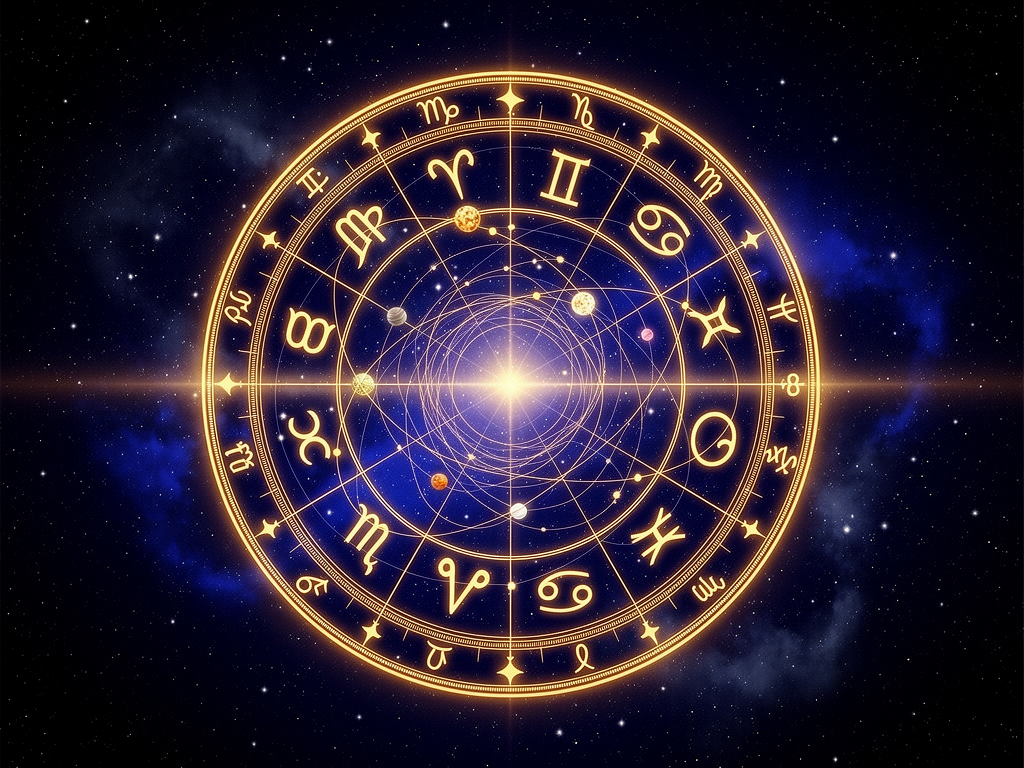
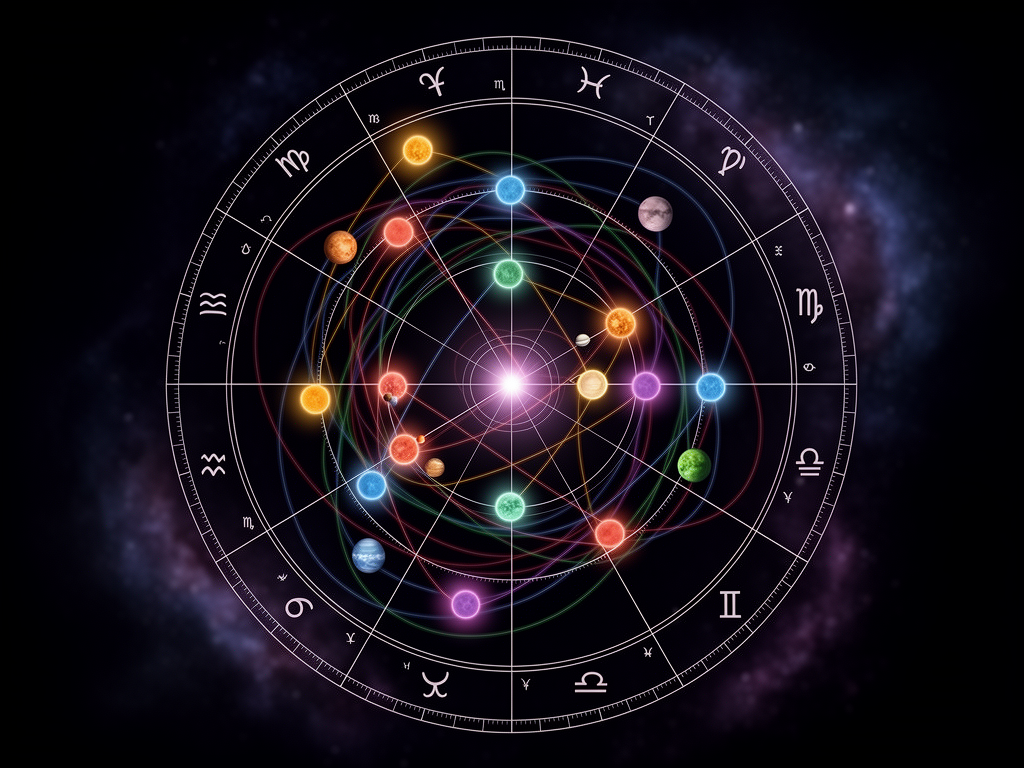
To understand transits, we must first understand the natal chart. Your birth chart is a snapshot of the heavens at the exact moment and location of your birth. It is a fixed map, representing your foundational blueprint, your inherent potentials, and the core themes of your life journey.
Transits, on the other hand, are the moving planets in the sky right now. As these planets travel through the zodiac, they form mathematical angles to the fixed placements in your natal chart. When a transiting planet aligns with a natal planet, it acts as a cosmic activation. It turns the key in the ignition of that specific part of your psyche, waking it up, challenging it, or inviting it to expand.
Think of your birth chart as a grand, beautifully constructed house. The transits are the weather systems that pass over it. Sometimes, the transits bring a gentle spring rain that nourishes the garden. Other times, they bring a fierce winter storm that tests the integrity of the roof and forces you to seek shelter by the hearth. The house remains yours, but your experience within it changes based on the weather outside.
Astrological tradition suggests that by knowing which planetary weather systems are currently active, we can stop fighting the rain and instead learn to gather water. We can align our personal efforts with the broader cosmic timing.
The Pacing of the Cosmos: Inner vs. Outer Planets
Not all transits carry the same weight. The impact of a transit depends heavily on the speed of the planet involved. The solar system is divided into two main categories: the fast-moving inner planets and the slow-moving outer planets.
The Inner Planets: The Daily Weather
The Moon, Mercury, Venus, and Mars are the closest planets to Earth, and they move quickly through the zodiac.
- The Moon changes signs every two and a half days. Its transits are fleeting, dictating our shifting daily moods, our fleeting emotional needs, and the subtle ebb and flow of our energy.
- Mercury governs communication, travel, and cognition. Its transits point to periods of mental busyness, social connection, or, during its famous retrogrades, times for internal review and reflection.
- Venus rules connection, aesthetics, and values. Transiting Venus highlights periods where we desire harmony, romance, or financial re-evaluation.
- Mars is the planet of action, drive, and severance. Its transits, lasting a few weeks in each sign, indicate where we are being called to apply our energy, assert our boundaries, or face conflict.
Because these inner planets move so swiftly, their transits act as minor triggers. They are the daily weather—a passing shower, a breezy afternoon. They rarely cause major life upheavals on their own.
The Outer Planets: The Epochal Shifts
Jupiter, Saturn, Uranus, Neptune, and Pluto are the slow-moving giants of the solar system. Their orbits take anywhere from 12 years (Jupiter) to 248 years (Pluto). When an outer planet makes contact with your birth chart, the transit can last for months or even years.
These are the transits that define the major chapters of our lives. They are the tectonic plates shifting beneath the surface.
- Jupiter brings expansion, growth, and the search for meaning. Its transits often feel like doors opening, offering new perspectives, opportunities, and a renewed sense of faith. However, Jupiter can also expand whatever it touches, meaning it can sometimes inflate our blind spots.
- Saturn is the cosmic timekeeper, representing structure, limitation, maturity, and mastery. Saturn transits often feel heavy or restrictive. They ask us to take responsibility, build enduring foundations, and strip away anything that lacks integrity. The famous 'Saturn Return' (occurring around ages 28-30 and 58-60) is a profound coming-of-age transit.
- Uranus is the great awakener. Its transits bring sudden disruption, rebellion, and flashes of insight. Uranus breaks us out of stagnant routines, demanding authenticity and liberation, often through unexpected changes.
- Neptune dissolves boundaries. Its transits are deeply mystical, enhancing intuition, creativity, and spiritual longing. Yet, Neptune can also bring fog, confusion, and disillusionment, asking us to surrender our tight grip on reality and trust the unseen.
- Pluto governs the underworld, transformation, and rebirth. Pluto transits are intensely powerful, often demanding that we face our deepest fears, release old attachments, and undergo a profound psychological metamorphosis.
The Language of Angles: Understanding Aspects
When a transiting planet interacts with a natal planet, it does so through specific geometric angles called 'aspects.' The nature of the aspect determines the tone of the conversation between the current sky and your birth chart.
- Conjunctions (0 degrees): The transiting planet sits exactly on top of your natal planet. This is a powerful blending of energies, marking a potent new beginning or a major focal point in your life.
- Squares (90 degrees): The planets are at cross-purposes. Squares create friction, tension, and a demand for action. While often uncomfortable, squares are the most productive aspects, forcing us to grow and resolve internal conflicts.
- Trines (120 degrees): The planets are in a harmonious flow. Trines bring ease, support, and natural talent to the surface. However, because they are so comfortable, we can sometimes take them for granted and miss their potential if we do not actively engage with them.
- Oppositions (180 degrees): The transiting planet is directly across from your natal planet. This creates a push-pull dynamic, often manifesting through relationships or external events. Oppositions call for balance, integration, and seeing both sides of a polarity.
Navigating the Storm: When Transits Feel Intense
There will be periods in your life when multiple outer planets form challenging aspects (like squares or oppositions) to your personal natal planets simultaneously. During these times, the cosmic weather can feel less like a passing storm and more like a prolonged winter. You might feel exhausted, emotionally raw, or deeply uncertain about your path.
It is crucial during these times to reframe our understanding of 'good' and 'bad' astrology. Many practitioners believe that the universe does not deal in punishments. Challenging transits are not cosmic curses; they are necessary periods of recalibration.
When Saturn restricts you, it is asking you to build a stronger foundation. When Uranus disrupts your life, it is freeing you from a cage you may not have realized you were in. When Pluto plunges you into the dark, it is teaching you how to see with your soul rather than your eyes.
Understanding your transits provides context. When you know why a certain period feels intense, and more importantly, when that period is likely to conclude, you can move from a state of victimhood to a state of conscious participation. You stop asking, 'Why is this happening to me?' and begin asking, 'What is this transit asking me to learn?'
Practical Steps for Working with Cosmic Weather
Integrating the wisdom of planetary transits into your daily life does not require you to become an obsessive astrologer. It simply requires curiosity and a willingness to observe the rhythms of your own life.
1. Anchor in Your Natal Chart First Before you can understand the transits, you must understand the foundation they are impacting. Familiarize yourself with the core placements of your birth chart—your Sun, Moon, and Rising sign, as well as the positions of your personal planets.
2. Track the Moon's Cycles The easiest way to begin feeling the transits is to follow the lunar cycle. Notice how your energy shifts from the dark, introspective New Moon to the bright, expressive Full Moon. This practice is designed to gently introduce you to the concept of cosmic timing without overwhelming you with complex data.
3. Identify Your Current Outer Planet Transits Use an astrological ephemeris or a reputable online transit calculator to see where Saturn, Uranus, Neptune, and Pluto are currently moving in relation to your chart. Are they touching any of your personal planets? If so, read about the archetypal themes of those planets. Reflect on how those themes are showing up in your life right now.
4. Cultivate the Art of Observation When you notice a challenging transit approaching, resist the urge to panic or brace for impact. Instead, adopt the stance of a mindful observer. Keep a journal. Note your emotional reactions, the themes of your dreams, and the seemingly random events that occur.
5. Ground the Energy Astrology is a language of the sky, but we live on the Earth. When the cosmic weather is turbulent, prioritize deeply grounding practices. Spend time in nature, nourish your physical body, and engage in somatic practices like yoga or deep breathing.
Conclusion: Dancing with the Cosmos
Planetary transits remind us that we are not isolated beings moving through a static universe. We are active participants in a vast, unfolding celestial choreography. By learning the language of the sky, we gain a profoundly empowering tool for self-compassion, strategic planning, and spiritual growth. We learn to honor our personal seasons, trusting that just as the planets continue to move, so too will the current circumstances of our lives.
A Reflection Prompt for Your Journey
Take a moment to look back at a particularly transformative or challenging year in your past. Without needing to know the exact astrology of that time, ask yourself: What was the core lesson or 'initiation' of that period? What old structures had to fall away so that my current life could be built? Recognize that the wisdom you gained then is the very same wisdom the current sky is helping you cultivate now.