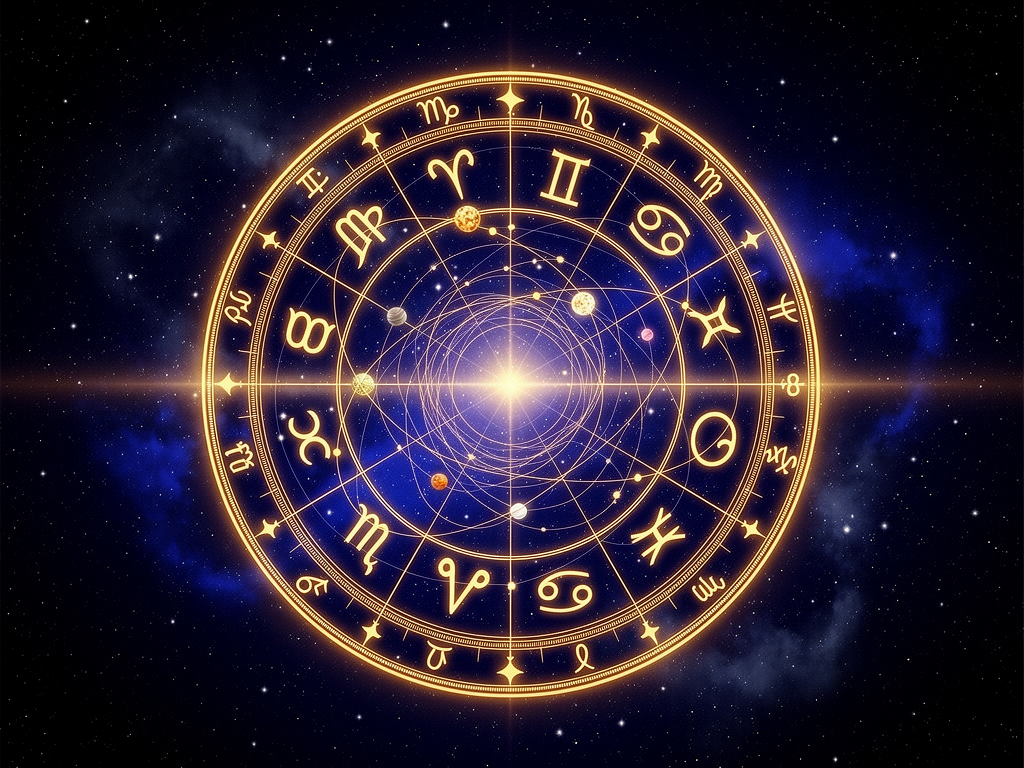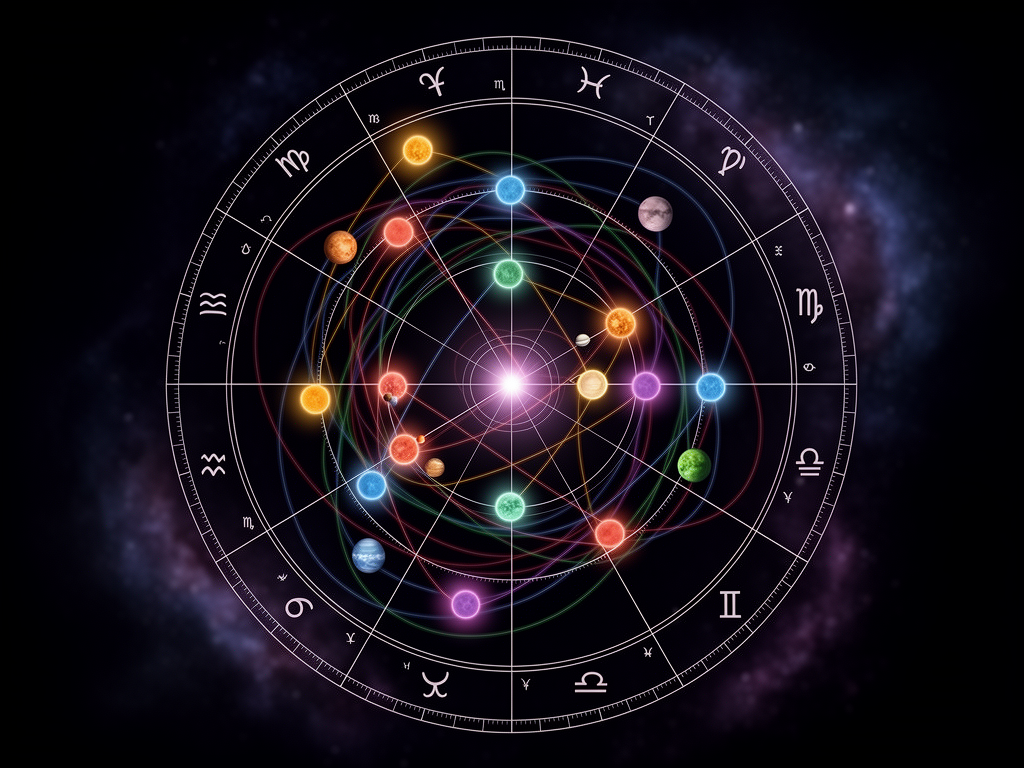
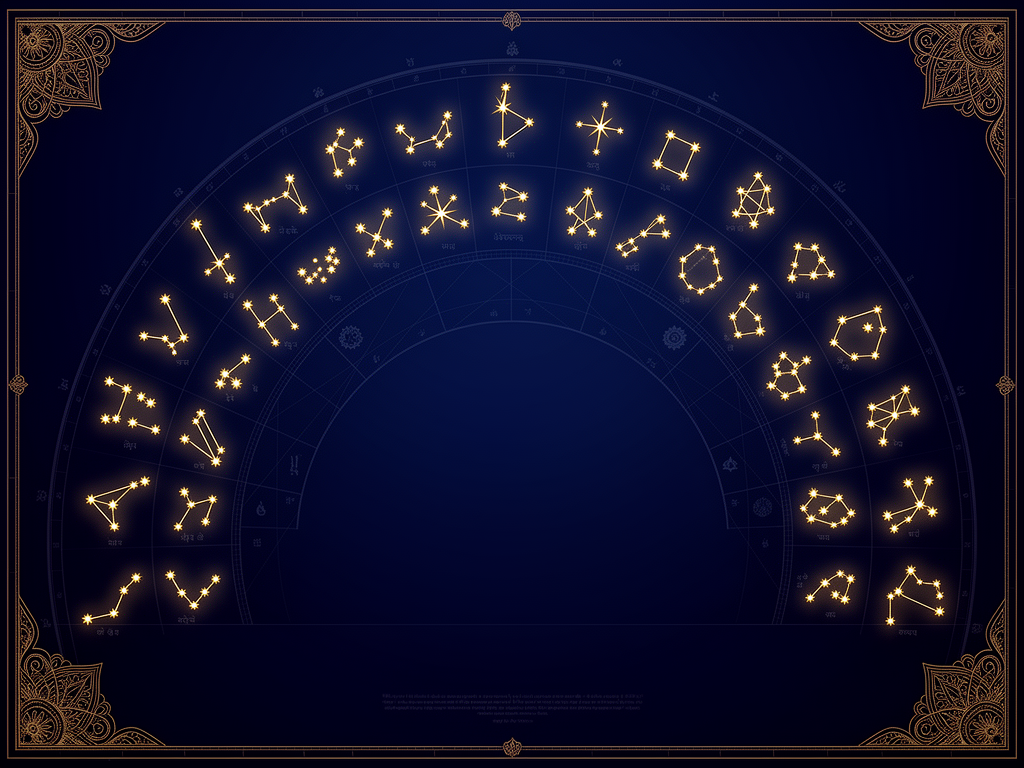
When we gaze up at the night sky, we are looking at the same celestial tapestry that our ancestors mapped thousands of years ago. For many modern seekers, astrology begins and ends with the twelve signs of the zodiac—the familiar solar wheel that tracks the Sun's year-long journey. But beneath this broad, solar framework lies an older, more intricate system of cosmic timekeeping. In Jyotish, or Vedic astrology, the sky is further divided into twenty-seven distinct segments known as the Nakshatras, or lunar mansions.
While the twelve zodiac signs offer a magnificent macrocosmic view of our personality and life path, the Nakshatras provide the microcosmic details. They are the intricate threads that weave the complex tapestry of our inner lives. Many practitioners believe that the Nakshatras hold the key to understanding our most deeply ingrained psychological patterns, our hidden motivations, and the subtle emotional undercurrents that guide our choices.
The Architecture of the Lunar Sky
The word Nakshatra translates from Sanskrit to mean "that which does not decay" or "one who approaches the sky." To understand how they work, we must shift our perspective from the Sun to the Moon. While the Sun takes a full year to travel through the 360 degrees of the zodiac, the Moon completes its orbit around the Earth in approximately 27.3 days.
Ancient Vedic astronomers observed this rhythm and divided the ecliptic into twenty-seven equal segments of 13 degrees and 20 minutes each. Each of these segments represents a single day's journey for the Moon. As the Moon travels through the night sky, it "rests" in a different mansion each night.
Astrological tradition suggests that the moon's placement in a specific mansion colors our emotional responses and perceptions. Because Jyotish is fundamentally a lunar-based system, your birth Nakshatra—the exact mansion the Moon occupied at the moment of your birth—is considered just as important, if not more so, than your Sun sign. It is the lens through which your soul perceives the world.
The Mythology of the Moon's Journey
To truly grasp the essence of the Nakshatras, we must look to the rich mythology that breathes life into them. In Vedic lore, the twenty-seven Nakshatras are personified as the twenty-seven daughters of King Daksha. These celestial maidens were given in marriage to Chandra, the Moon God, with the understanding that he would spend equal time with each of them as he traveled through the heavens.
However, Chandra became deeply infatuated with one particular wife: Rohini, the star of beauty, sensuality, and earthly delights. He began spending all his time in her mansion, neglecting his other twenty-six wives. The neglected sisters complained to their father, Daksha, who cursed Chandra to suffer from a wasting disease. As Chandra's light began to fade, the universe panicked at the loss of the night's illumination.
Through the intervention of other deities, the curse was modified but could not be entirely broken. Thus, the Moon was destined to wax for half the month as he approaches Rohini, and wane for the other half as the curse takes hold. This beautiful, poignant myth is not just a story; it is an elegant metaphor for the fluctuating nature of the human mind. Just as the Moon waxes and wanes, our emotions, desires, and mental clarity ebb and flow as we navigate the different energetic landscapes of our lives.
Solar Ego vs. Lunar Soul
In Western astrological mapping, the Sun represents the ego, the core identity, and the overarching purpose of the individual. It is the bright, undeniable light of who we are learning to become. The Nakshatras, however, speak to the realm of the Moon: the subconscious, the intuition, the emotional reflexes, and the accumulated karma of the soul.
If the twelve zodiac signs are the twelve different countries you might visit on a journey, the Nakshatras are the specific towns, neighborhoods, and streets within those countries. For example, two people might both be born with their Moon in the sign of Aries. In broad strokes, they may both possess a pioneering, courageous emotional nature. However, if one has their Moon in the Nakshatra of Ashwini (associated with swift action and healing) and the other in Krittika (associated with cutting away illusions and purification), their emotional landscapes and life paths will look remarkably different.
The Anatomy of a Nakshatra
Each of the twenty-seven lunar mansions is a complex ecosystem of symbolism, energy, and meaning. To understand a Nakshatra, astrologers look at several key components:
The Ruling Deity
Every Nakshatra is presided over by a specific Vedic deity who embodies the core essence of that star. For instance, Shatabhisha is ruled by Varuna, the god of cosmic waters and the night sky, giving this mansion an energy of deep mystery, healing, and the uncovering of hidden truths.
The Planetary Ruler
In addition to a deity, each Nakshatra is governed by one of the nine planetary bodies used in Vedic astrology (the Sun, Moon, Mars, Mercury, Jupiter, Venus, Saturn, Rahu, and Ketu). This planetary ruler dictates how the Nakshatra expresses its energy in the material world.
The Symbol
Each mansion is associated with a distinct visual symbol that perfectly encapsulates its nature. Magha, the mansion of ancestral power, is symbolized by a royal throne. Swati, the star of independence and adaptability, is symbolized by a young shoot blowing in the wind.
The Gunas and Aims of Life
The Nakshatras are also categorized by their primary motivation—Dharma (duty/purpose), Artha (wealth/resources), Kama (desire/pleasure), or Moksha (liberation). They are further colored by the three Gunas, or qualities of nature: Sattva (purity and harmony), Rajas (passion and action), and Tamas (inertia and dissolution).
Exploring the Lunar Mansions
To appreciate the extraordinary depth of this system, let us explore the unique energetic signatures of a few prominent Nakshatras.
Ashwini: The Star of Transport
Located at the very beginning of the zodiac in the sign of Aries, Ashwini is symbolized by a horse's head. It is ruled by Ketu (the South Node of the Moon) and its deities are the Ashwini Kumaras, the twin physicians of the gods. Ashwini carries the energy of swift beginnings, miraculous healing, and vital life force. Those with strong placements in Ashwini are often pioneers, blessed with a youthful, restless energy and an innate desire to initiate new journeys.
Rohini: The Star of Ascent
Residing entirely within the sign of Taurus, Rohini is the favorite mansion of the Moon. Symbolized by an ox cart or a chariot, it is ruled by the Moon itself and presided over by Brahma, the creator. Rohini is deeply connected to fertility, agriculture, beauty, and material abundance. Astrological tradition suggests that individuals with a strong Rohini influence possess immense creative power, a deep appreciation for the arts, and an undeniable magnetism.
Ashlesha: The Clinging Star
Situated at the end of Cancer, Ashlesha is symbolized by a coiled serpent. Ruled by Mercury and the Nagas (serpent deities), this Nakshatra deals with the intense, mystical, and sometimes challenging aspects of the psyche. It involves deep psychological transformation, the shedding of old skins, and the awakening of Kundalini energy. It is a mansion of profound intuition, though it requires the individual to navigate issues of control and attachment.
Anuradha: The Star of Success
Found in the heart of Scorpio, Anuradha is symbolized by a lotus flower blooming in muddy waters, or a triumphal archway. Ruled by Saturn and Mitra (the god of friendship and alliances), this Nakshatra speaks to the power of devotion, collaboration, and overcoming great obstacles. It teaches the soul that true success is found not in isolation, but through fostering deep, meaningful connections with others.
The Predictive Power of the Stars
Beyond psychological profiling, the Nakshatras form the backbone of Vedic astrology's sophisticated timing system, known as the Vimshottari Dasha.
Many practitioners believe that the specific degree of the Moon in its Nakshatra at the moment of your birth sets the cosmic clock for your entire life. It determines which planetary period you are born into and how the subsequent chapters of your life will unfold. For example, if you are born with your Moon in a Nakshatra ruled by Venus, your life begins in a Venus period, eventually transitioning into a Sun period, then a Moon period, and so on. This system allows astrologers to trace the precise timing of life events, spiritual awakenings, and karmic lessons with remarkable clarity.
Working with the Nakshatras Today
You do not need to be a professional astrologer to benefit from the wisdom of the lunar mansions. By observing the daily transit of the Moon through the Nakshatras, you can align your daily activities with the energetic weather of the cosmos.
For instance, days when the Moon transits Pushya (a highly auspicious Nakshatra of nourishment) are considered excellent for starting new ventures, making investments, or seeking spiritual counsel. Conversely, when the Moon transits Bharani (a Nakshatra of restriction and transformation), it is a time better suited for inner reflection, clearing out physical or emotional clutter, and releasing what no longer serves you.
This practice is designed to help you attune to the subtle rhythms of the cosmos, fostering a sense of harmony between your inner world and the universe at large. It reminds us that we are not separate from the stars; we are in a constant, dynamic dialogue with them.
A Practice of Lunar Alignment
To begin integrating the profound wisdom of the Nakshatras into your spiritual journey, consider mapping your own lunar landscape.
Actionable Practice:
- Use a free online Vedic astrology calculator to find your birth Moon Nakshatra. (Note: Because Vedic astrology uses the sidereal zodiac, which accounts for the precession of the equinoxes, your Vedic Moon sign may be different from your Western Moon sign).
- Research the symbol, ruling deity, and planetary ruler of your birth Nakshatra.
- Reflection Prompt: Set aside ten minutes for journaling. Reflect on the symbol of your Nakshatra. How does this symbol manifest in your daily life? In what ways do you see its core themes—whether that is the swift healing of Ashwini, the creative fertility of Rohini, or the deep investigation of Shatabhisha—playing out in your emotional responses and your relationships?
By exploring your lunar mansion, you honor the ancient understanding that your soul is an exact reflection of the night sky at the moment you took your first breath—a perfectly unique constellation of light, shadow, and infinite potential.