
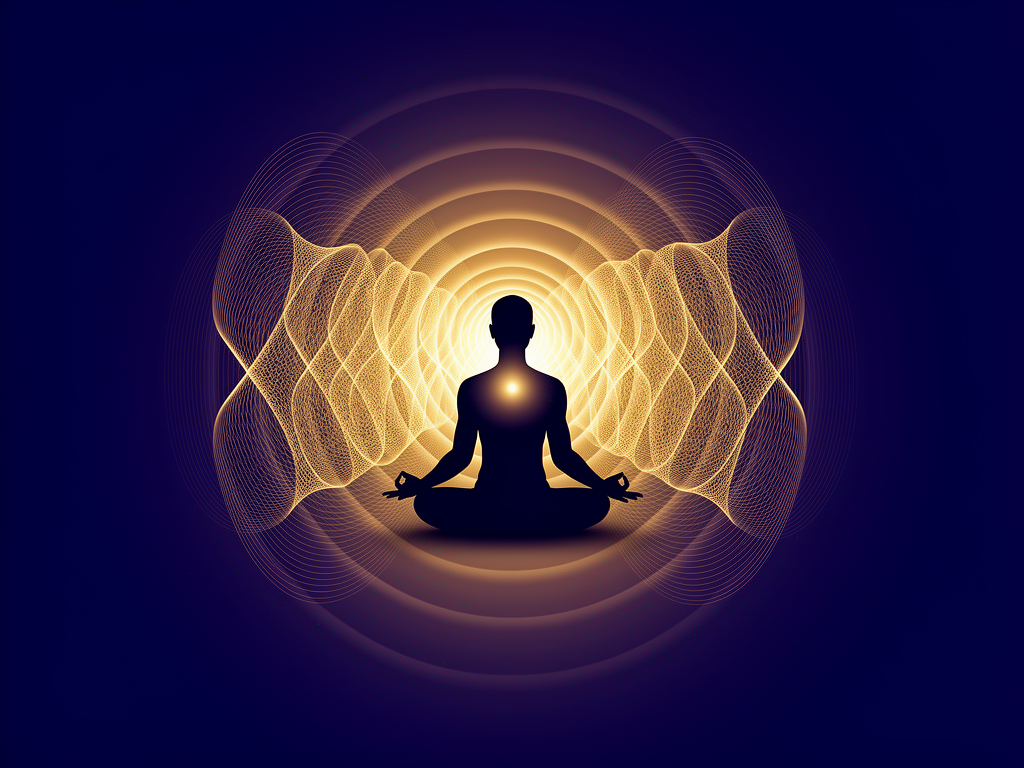
The Resonance of Silence
In our modern world, the mind is perpetually bombarded by an invisible but palpable cacophony. Between the relentless hum of digital notifications, the rapid cycle of global news, and the internal chatter of our own anxieties, true silence has become a rare luxury. Yet, the most profound spiritual traditions of the world teach us that the antidote to chaotic noise is not necessarily absolute silence, but rather, intentional sound.
For thousands of years, seekers, sages, and mystics have utilized the power of repetitive, sacred sound to anchor the wandering mind and access deeper states of consciousness. This is the essence of mantra meditation. By giving the restless intellect a single, harmonious focal point, mantra meditation acts as a bridge between the turbulent surface of our daily thoughts and the tranquil depths of our inner being.
Whether you are drawn to the ancient syllables of Vedic traditions or the rhythmic repetition of a modern affirmation, working with sacred sound offers a timeless pathway to inner peace. It is a practice that invites us not to silence the mind by force, but to harmonize it through resonance.
The Anatomy of a Mantra
To understand how mantra meditation works, it is helpful to look at the origins of the word itself. Derived from the ancient Sanskrit language, the word mantra is composed of two roots: manas, meaning "mind," and tra, meaning "vehicle" or "instrument." Therefore, a mantra is quite literally an instrument of the mind—a vehicle designed to transport human consciousness from a state of scattered activity to one of focused stillness.
Many practitioners believe that a mantra is more than just a word; it is a concentrated frequency of energy. Just as a tuning fork vibrates at a specific pitch to bring a musical instrument into harmony, a mantra is thought to vibrate at a frequency that brings the human nervous system into a state of coherence. When we repeat a mantra, we are essentially tuning our internal landscape to a more elevated, peaceful state of being.
This practice is designed to bypass the analytical, problem-solving faculties of the brain. The intellect cannot easily dissect or argue with a sound like Om. Instead, the repetition gently occupies the mind's tendency to wander, providing a soothing anchor that allows the deeper layers of awareness to awaken.
Bridging Ancient Wisdom and Modern Understanding
While the roots of mantra meditation are deeply mystical, modern science has begun to illuminate why this ancient technology is so effective for cultivating peace. When we engage in the repetitive chanting of a mantra, whether aloud or silently, we initiate a cascade of physiological shifts within the body.
The rhythmic nature of mantra repetition naturally slows down the breath, which in turn signals the vagus nerve to activate the parasympathetic nervous system—the body's "rest and digest" mode. Heart rate variability improves, blood pressure often lowers, and the production of stress hormones like cortisol begins to decline.
Furthermore, neuroimaging studies suggest that repetitive chanting can quiet the Default Mode Network (DMN) of the brain. The DMN is the neural pathway responsible for our wandering thoughts, self-referential thinking, and much of our daily rumination and anxiety. By giving the mind a mantra to "chew on," we effectively turn down the volume of our internal critic, allowing a profound sense of spaciousness and tranquility to emerge. It is a beautiful convergence where ancient spiritual technology meets contemporary neuroscience.
Sacred Sounds to Explore
If you are beginning a mantra practice, you may wonder which sound to choose. The beauty of this practice lies in its versatility. You can work with ancient, universally recognized syllables, or you can find a sound that speaks intimately to your personal journey. Here are a few foundational mantras to consider:
Om (Aum): The Primordial Sound
Perhaps the most universally recognized mantra, Om (often spelled Aum), is considered in Vedic traditions to be the primordial sound of the universe—the vibration from which all of creation emerged. It is composed of three distinct syllables: A (representing waking consciousness and creation), U (representing the dream state and preservation), and M (representing deep sleep and dissolution), followed by a silent fourth state, the pause after the chant, representing pure consciousness.
Chanting Om is a deeply grounding practice. Because of its phonetic structure, the vibration travels from the back of the throat, across the palate, and finishes at the lips, creating a physical sensation of resonance in the chest and head that can immediately center a scattered mind.
So Hum: The Breath Mantra
So Hum is a beautiful, accessible mantra that translates from Sanskrit to "I am That," signifying the profound interconnectedness of the individual soul with the universal whole. It is often referred to as the natural mantra of the breath, as the sound of inhalation mimics the syllable So, and the sound of exhalation mimics the syllable Hum.
To practice with So Hum, you do not even need to speak it aloud. You simply align the silent repetition of the words with your natural breathing pattern: inhaling So, exhaling Hum. This practice is designed to seamlessly unify the mind, the breath, and the body, making it an excellent starting point for those new to meditation.
Planetary and Elemental Mantras
For those drawn to the cosmos, astrological tradition suggests that specific sounds and Sanskrit syllables correspond to the energetic frequencies of different planets and elements. For instance, specific Bija (seed) mantras like Ram (associated with fire and the solar plexus) or Vam (associated with water and the sacral center) can be used to cultivate specific qualities like courage or fluidity. Working with these sounds can be a way to harmonize your internal energy with the larger rhythms of nature.
Personalized Mantras and Affirmations
While traditional Sanskrit mantras carry centuries of momentum and linguistic resonance, a mantra can also be a personalized phrase in your native language. The key is to choose a phrase that is short, rhythmically pleasing, and emotionally resonant. Phrases like "I am at peace," "Let it go," or "Inhale light, exhale tension" can serve as highly effective vehicles for the mind. The power of a personalized mantra lies in its meaning to you and the intention with which you repeat it.
The Three Stages of Sound
As you develop your mantra practice, you will discover that sound operates on multiple levels of subtlety. The yogic tradition outlines three primary stages of chanting, each offering a different energetic experience:
- Vaikhari (Audible Chanting): This is the practice of speaking or singing the mantra aloud. Audible chanting is incredibly helpful when the mind is highly agitated or when you are just beginning a session. The physical vibration of your vocal cords and the auditory feedback help to quickly reel in a wandering mind.
- Upanshu (Whispered Chanting): As the mind begins to settle, the mantra can transition to a soft whisper. The movement of the lips and tongue remains, but the sound is barely audible. This stage draws the senses inward and requires a higher degree of focus.
- Manasi (Mental Chanting): In this final stage, the mantra is repeated entirely within the silence of the mind. The physical body is completely still. Mental chanting is considered the most subtle and potent form of the practice, as it permeates the deepest layers of consciousness.
A beautiful way to structure a meditation session is to move progressively through these three stages, allowing the gross physical sound to gently refine into pure mental vibration.
A Guide to Starting Your Mantra Practice
Embarking on a mantra meditation journey does not require hours of free time or an elaborate setup. It simply requires consistency, patience, and a willingness to explore your own inner landscape. Here is a practical guide to beginning your practice:
1. Create a Sacred Container
Find a quiet space where you will not be disturbed. Sit in a comfortable position, either on a cushion on the floor or in a chair with your feet flat on the ground. Keep your spine relatively straight to allow for easy, unconstricted breathing. By returning to the same spot each day, you build a subtle energetic momentum that signals to your mind that it is time to turn inward.
2. Choose Your Mantra and Set an Intention
Select one mantra to work with for a set period—perhaps 21 or 40 days. Bouncing between different mantras every day can prevent the mind from truly sinking into the groove of the sound. Before you begin repeating the words, take a moment to set a gentle intention for your practice, such as cultivating peace, gaining clarity, or simply resting in the present moment.
3. Utilize a Mala (Optional)
Many practitioners find it helpful to use a mala, a string of 108 beads traditionally used in Hindu and Buddhist practices to count mantra repetitions. Moving one bead through your fingers with each repetition of the mantra provides a tactile anchor that further occupies the physical senses, making it easier to maintain focus.
4. The Mechanics of Repetition
Close your eyes and take a few deep, cleansing breaths. Begin to repeat your chosen mantra. You might start by chanting it aloud for a few minutes, then let it drop to a whisper, and finally allow it to become a silent, internal echo. Do not force the rhythm; let the mantra naturally synchronize with your breath or find its own organic cadence in your mind.
5. Navigating Distractions with Grace
It is inevitable that your mind will wander. You will suddenly find yourself planning dinner or replaying a conversation from yesterday. This is not a failure; it is simply the nature of the mind. The moment you realize you have drifted, gently and without self-judgment, return your attention to the sound of the mantra. The "bicep curl" of meditation is not achieving perfect, unbroken focus, but rather the act of noticing you have wandered and choosing to return.
Respecting the Tradition
As we embrace these profound practices, it is vital to approach them with a spirit of cultural respect and reverence. Mantra meditation, particularly the use of Sanskrit syllables and Vedic invocations, originates from ancient South Asian spiritual traditions. To engage with these practices ethically, we must avoid treating them as mere commodities or aesthetic trends.
We honor the roots of mantra by acknowledging where these teachings come from, by pronouncing the sacred syllables to the best of our ability, and by approaching the practice with genuine sincerity. When we chant, we are tapping into a lineage of seekers that stretches back millennia. Approaching this lineage with humility only deepens the transformative power of the practice.
The Echo of Inner Peace
Mantra meditation is not about escaping the world; it is about finding a sanctuary of peace within yourself so that you can engage with the world more fully, with a grounded and open heart. The sacred sounds we repeat eventually become the quiet background music of our daily lives, a steady rhythm of peace that sustains us through the inevitable storms of the human experience.
An Actionable Reflection Practice
To integrate this wisdom into your life today, try the following practice:
Set a timer for just five minutes. Sit comfortably, close your eyes, and tune into the natural rhythm of your breathing. Begin to silently pair the mantra So Hum with your breath. As you inhale, mentally hear the word So. As you exhale, mentally hear the word Hum.
When the five minutes are complete, do not rush immediately back into your day. Keep your eyes closed for one additional minute. Notice the quality of your mind. Notice the physical sensations in your body. Ask yourself: How has the texture of my thoughts shifted in just five minutes of intentional sound? Carry that awareness with you as you step back into the rhythm of your day.