The Need for Sanctuary in the Modern World
In the relentless momentum of modern life, finding moments of stillness can feel like a luxury rather than a necessity. Yet, the human spirit inherently craves a sanctuary—a physical threshold where the mundane world falls away, and the deeper, quieter currents of our inner lives can be heard. Creating a sacred space, or a personal altar, in your home is one of the most profound ways to honor this need. It is not about adhering to rigid dogma or subscribing to an external set of rules; rather, it is about carving out a tangible anchor for your personal spiritual practice.
An altar is, at its core, a physical manifestation of your inner landscape. Many practitioners believe that by organizing objects of meaning in the external world, we simultaneously bring harmony and focus to our internal state. When you sit before your altar, you are signaling to your psyche that you are ready to listen, to reflect, and to commune with whatever you hold sacred—be it the universe, your highest self, your ancestors, or the rhythms of nature. This guide will walk you through the thoughtful, intuitive process of building and tending to a personal altar that reflects your unique spiritual journey.
Choosing the Right Location for Your Sacred Space
The first step in creating your altar is finding its physical home. You do not need an entire spare room or a vast, empty corner to create a powerful sacred space. The most potent altars are often tucked into intimate spaces: the top of a bedroom dresser, a floating shelf in the living room, a wide windowsill, or even a dedicated tray that can be moved as needed.
When selecting your location, prioritize a sense of quiet and privacy. Ideally, this should be a low-traffic area where the energy feels settled rather than chaotic. Pay attention to the natural light, the flow of air, and how you feel when you stand in that particular spot. Intuition plays a significant role here; if a corner of your room consistently draws your eye or brings you a sense of calm, it is likely the perfect place to begin.
It is also important to consider practicality. If you plan to sit before your altar for meditation or journaling, ensure there is enough space to place a cushion or a comfortable chair nearby. The space should invite you in, offering a visual and energetic embrace that encourages you to pause and breathe.
Selecting Your Sacred Objects
Curating the items for your altar is a deeply personal process. There is no definitive list of what an altar must contain. Instead, focus on gathering objects that hold personal resonance, evoke a sense of peace, or represent the qualities you wish to cultivate in your life.
Honoring the Elements
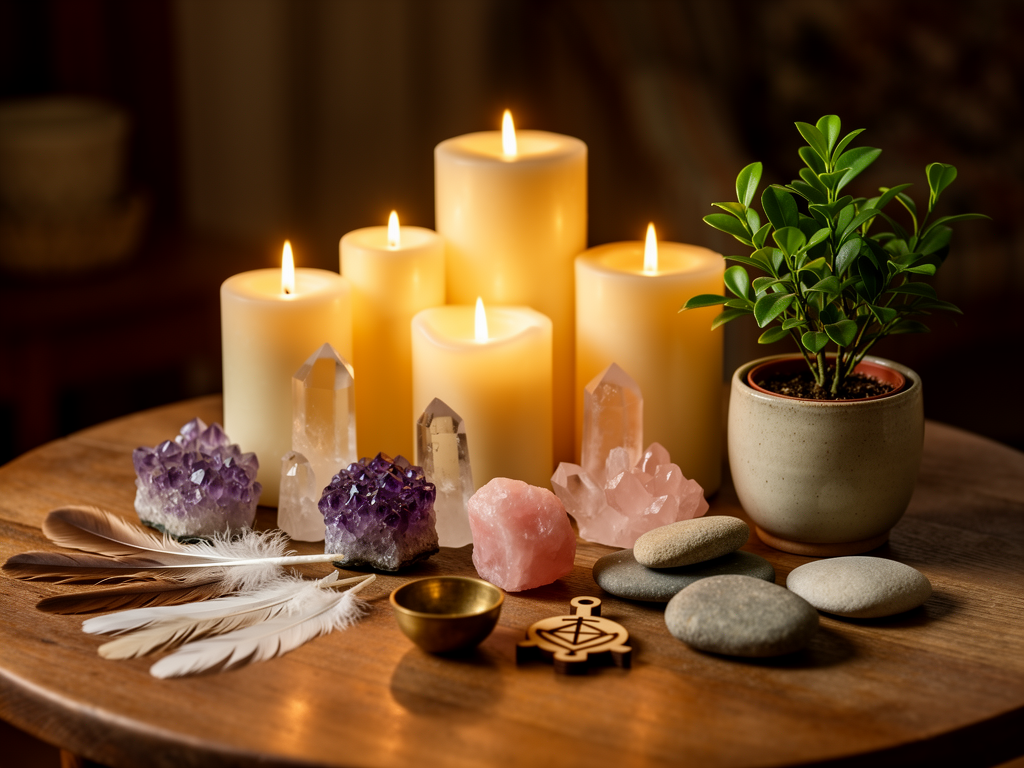
Many practitioners believe that incorporating representations of the natural elements—Earth, Air, Fire, and Water—brings a deeply grounding sense of balance and wholeness to a sacred space. This elemental framework is ancient, universal, and easily adapted to your personal aesthetic.
- Earth: To ground your space and invite stability, consider incorporating items like stones, crystals, a small bowl of soil, salt, or a potted plant. Wood elements, such as a beautifully carved bowl or a piece of driftwood, also serve as excellent anchors for earth energy.
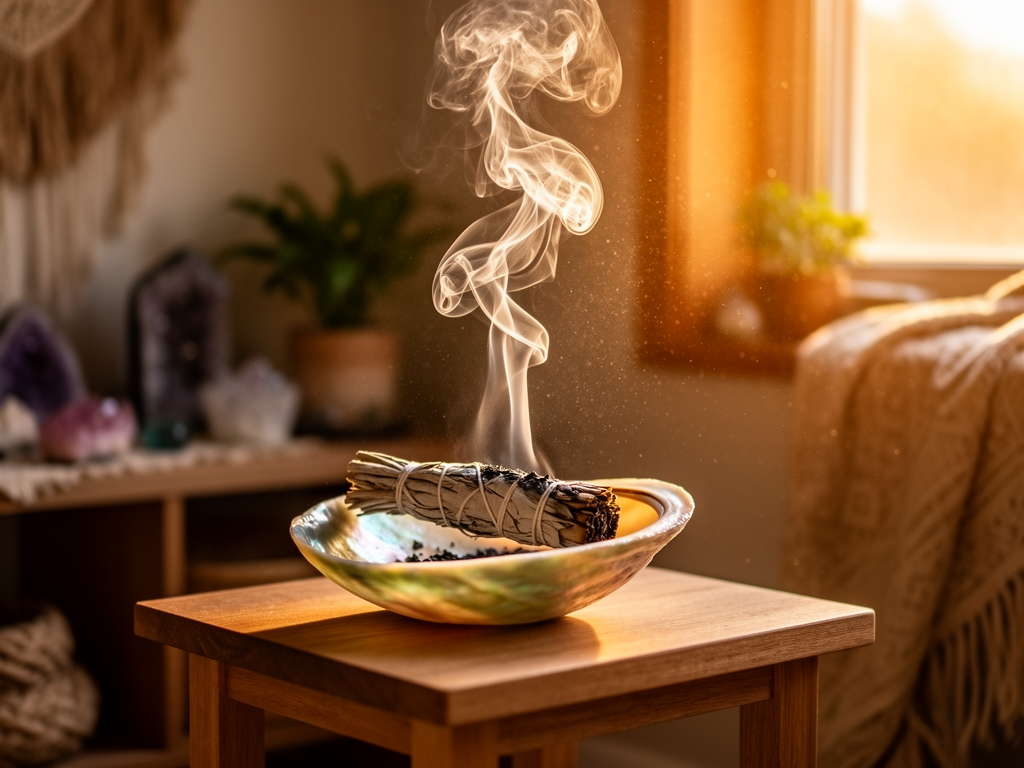
- Air: Air represents the intellect, communication, and the breath of life. You might represent this element with a feather found on a meaningful walk, a bell, or incense. The smoke from incense or a naturally sourced aromatic bundle visually captures the ethereal nature of air.
- Fire: Fire symbolizes transformation, passion, and the spark of creation. A simple candle is the most common and powerful representation of fire. The act of lighting the flame serves as a beautiful ritual to open your practice.
- Water: Water embodies emotion, intuition, and flow. A small, beautiful bowl filled with fresh water, a seashell, or a vial of collected rainwater can bring this fluid, receptive energy to your altar.
Meaningful Artifacts and Lineage
Beyond the elements, your altar should reflect your personal story and spiritual lineage. You might include photographs of ancestors or loved ones who have passed, honoring the roots from which you grew. If you work with specific archetypes, deities, or spiritual figures, statues or framed images can serve as focal points for your devotion.
It is vital to approach the gathering of objects with respect and mindfulness. True spirituality involves honoring ancient wisdom without appropriating the closed practices or sacred artifacts of cultures that are not your own. Instead, look to your own heritage, the natural environment around you, and universal symbols that speak to your soul. A stone gathered from a beach where you experienced a profound moment of clarity often holds more spiritual potency than an esoteric artifact purchased without personal connection.
Consider adding a journal and a pen, a deck of tarot or oracle cards, or a beloved book of poetry or philosophy. These tools invite active engagement with your space, transforming the altar from a static display into a dynamic workspace for the soul.
Setting Intentions and Activating the Space
Once you have gathered your objects and arranged them in a way that feels visually and energetically pleasing, it is time to activate your altar. This practice is designed to transition the space from a mundane collection of items into a living, breathing focal point for your spiritual practice.
Begin by physically cleaning the space. Wipe down the surface, dust your objects, and ensure the area is free from clutter. This physical clearing sets the stage for energetic clearing.
Next, clear the energy of the space. You can do this through sound—by ringing a bell, clapping your hands, or playing a singing bowl. Alternatively, you can use intention and breath. Stand before your altar, take a deep, grounding breath, and visualize a clear, purifying light washing over the space.
Finally, set your intention. Why have you created this space? What do you hope to experience or cultivate here? You might speak your intention aloud, write it on a small piece of paper to tuck beneath a central object, or simply hold it in your heart as you light a candle for the first time. You might say something simple, such as: "May this space be a sanctuary of peace, clarity, and connection. May it hold me in my vulnerability and reflect my highest truth."
Maintaining Your Altar: A Living Practice
An altar is not a museum exhibit; it is a living entity that requires tending. Just as you would water a houseplant or nourish your own body, your sacred space requires ongoing care to remain vibrant and energetically clear.
Make it a habit to physically clean your altar regularly. Dust the objects, refresh the bowl of water, and replace any wilted flowers. As you clean, view the act not as a chore, but as an extension of your spiritual practice—an act of devotion and respect for your inner life.
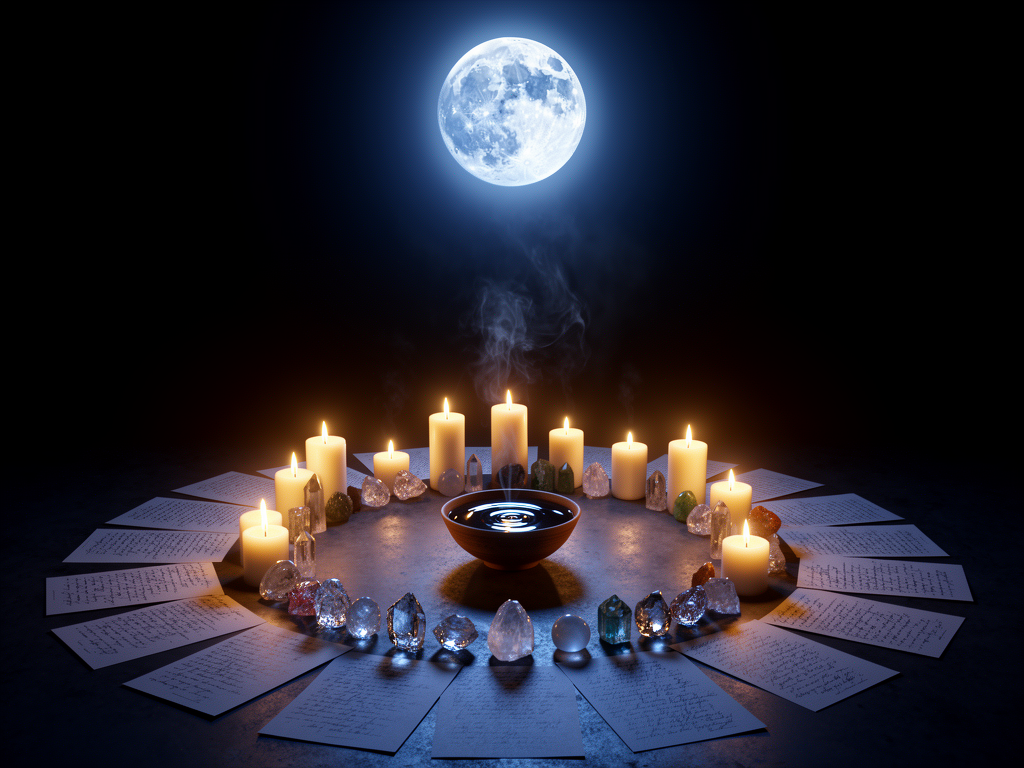
Your altar should also evolve as you do. Astrological tradition suggests that aligning our practices with the rhythms of the cosmos—such as the phases of the moon or the shifting of the seasons—can deeply enrich our spiritual experience. During the introspective months of winter, your altar might feature darker stones, bare branches, and multiple candles to honor the return of the light. In the vibrant days of spring, you might bring in fresh blooms, bright crystals, and vibrant colors to celebrate renewal.
Allow your intuition to guide these changes. If an object no longer feels resonant, give yourself permission to remove it. If a new phase of your life calls for a different energetic focus, adjust your altar accordingly. This fluidity ensures that the space remains an authentic reflection of your current spiritual state.
Daily Practices at Your Sacred Space
Having an altar is wonderful, but its true power is unlocked through consistent interaction. You do not need to spend hours at your altar to reap its benefits. Even five minutes of intentional presence can profoundly shift the trajectory of your day.
Consider establishing a simple morning or evening ritual. In the morning, you might approach your altar, light a candle, and take three deep breaths to ground yourself before the day begins. You could pull a single oracle card as a point of reflection, or write down one thing you are grateful for.
In the evening, your altar can serve as a place to release the burdens of the day. You might sit before it and mentally hand over your worries to the universe, blowing out the candle as a symbol of closing the day's chapter and inviting restful sleep.
When navigating moments of grief, confusion, or overwhelm, your altar stands as a steadfast companion. It is a place where you can sit and simply be, without the pressure to perform, produce, or explain yourself. It holds space for your humanity in all its messy, beautiful complexity.
Cultivating the Sacred Within
Ultimately, the creation of a personal altar is a profound act of self-love. It is a declaration that your inner life matters, that your spiritual growth is worthy of space and time, and that you possess the power to cultivate sanctuary wherever you are. By gathering your sacred objects, setting your intentions, and tending to the space with reverence, you are not just decorating a corner of your home—you are building a bridge between the physical world and the divine.
As you walk away from your altar and return to the demands of daily life, remember that the peace you cultivate in that sacred corner is not confined to it. The altar simply serves as a mirror, reflecting the enduring, unshakeable sanctuary that already exists within you.
Actionable Practice: The Altar Audit
If you are feeling inspired to begin, take 10 minutes today to walk slowly through your home. Look for items that instantly bring you a sense of peace, joy, or deep memory—a beloved book, a smooth stone, a meaningful photograph. Gather 3 to 5 of these items. Find a small, quiet surface in your home, clear it completely, and arrange these items intentionally. Light a candle or simply sit before this new arrangement for two minutes, breathing deeply and observing how this small act of curation shifts the energy of the room.