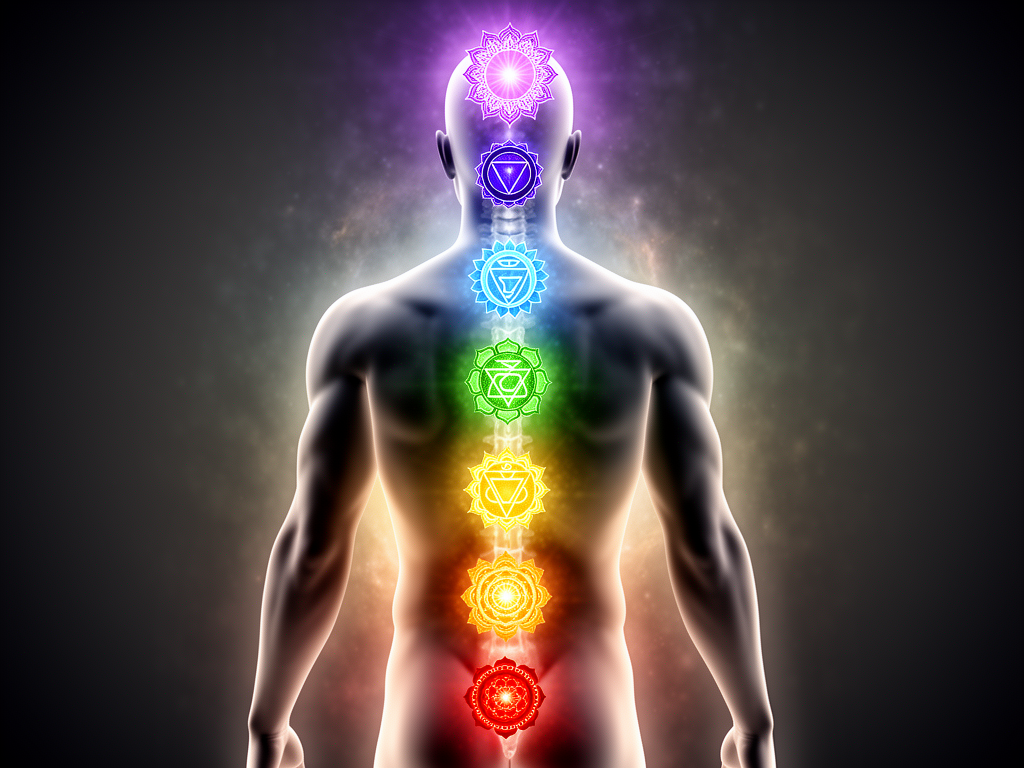
Long before modern science mapped the intricate pathways of the central nervous system, ancient Vedic scholars charted a different kind of anatomy: the subtle body. Within this energetic architecture lies the chakra system. Derived from the Sanskrit word for 'wheel' or 'disk,' chakras are conceptualized as spinning centers of life force energy (prana) that run along the central channel of the spine.
While this concept originates in ancient India, it has found profound resonance in modern holistic wellness. Today, spiritually curious individuals often view the chakras as a bridge between the physical and the metaphysical—a framework for understanding how our emotional, psychological, and spiritual states intersect with our physical experience.
When our energy flows freely through these centers, we often feel vibrant, centered, and aligned. However, the stressors of modern life—emotional suppression, chronic anxiety, and trauma—can cause these wheels to become sluggish, blocked, or overactive.
This guide offers an elegant, accessible journey through your seven primary energy centers. While exploring this ancient map, it is important to remember that these concepts offer a lens for self-inquiry rather than a medical diagnostic tool. By engaging with these practices respectfully, you can cultivate a deeper awareness of your own energetic landscape.
The Root Chakra (Muladhara): The Foundation of Safety
Located at the very base of the spine, the pelvic floor, and the first three vertebrae, the Root Chakra is your energetic foundation. Associated with the color red and the earth element, Muladhara is the center of our physical survival, safety, and sense of earthly belonging. Many practitioners believe that this chakra acts as the root of our energetic tree; if the roots are not firmly planted in the soil, the upper branches cannot safely reach toward the sky.
Recognizing the Imbalance
When the Root Chakra is out of alignment, you may experience a profound sense of untethered anxiety, lethargy, or a lingering feeling of insecurity. You might feel constantly on edge or experience a generalized fear regarding your basic needs, such as finances or physical safety. Conversely, an overactive root might present as psychological rigidity, a resistance to change, or an unhealthy attachment to material possessions.
Restoring the Flow
This practice is designed to draw your energy downward, anchoring you back into the present moment.
- Meditation: Try a grounding visualization. Close your eyes and imagine a vibrant red light at the base of your spine. With each exhale, visualize roots growing from this light, extending deep into the earth's core, anchoring you in safety.
- Crystals: Work with dense, grounding stones. Tradition suggests holding Black Tourmaline, Hematite, or Red Jasper during meditation, or keeping them near your feet while you work.
- Sound: The traditional seed syllable (bija mantra) for the root is LAM. Chanting this sound at a low, resonant pitch is thought to encourage a deep sense of earthly connection.
The Sacral Chakra (Svadhisthana): The Wellspring of Creativity
Situated just below the navel, the Sacral Chakra is intimately connected to the water element and the color orange. This fluid, dynamic center governs our emotional landscape, sensuality, passion, and creative expression. It is the seat of our ability to experience pleasure, adapt to change, and form deep, intimate connections with others.
Recognizing the Imbalance
An imbalance in the Sacral Chakra often manifests as emotional numbness, a lack of inspiration, or a pervasive sense of creative blockage. You might feel disconnected from your body's natural rhythms or struggle with intimacy. If the energy here is stagnant, life can feel dull and joyless. An overactive Sacral Chakra, on the other hand, can lead to emotional volatility, codependency, or being entirely ruled by fleeting desires.
Restoring the Flow
Because this chakra is governed by water, practices that encourage fluidity and movement are highly beneficial.
- Meditation: Visualize a warm, glowing orange sphere in your lower abdomen, gently swirling like a calm pool of water, washing away emotional debris.
- Crystals: Carnelian, Orange Calcite, and Sunstone are frequently used to ignite passion and creativity. Many practitioners believe placing these stones on the lower belly can help stimulate stagnant energy.
- Sound: The seed syllable for the Sacral Chakra is VAM. Chanting this sound can help harmonize your emotional waters.
The Solar Plexus Chakra (Manipura): The Seat of Personal Power
Located in the upper abdomen, around the stomach area, the Solar Plexus Chakra is associated with the fire element and the color yellow. Manipura translates to 'lustrous gem,' and it is fittingly the core of our personal power, willpower, and self-esteem. It is the energetic furnace that transforms our intentions into tangible action.
Recognizing the Imbalance
A depleted Solar Plexus often shows up as a lack of confidence, chronic indecision, or a tendency to abandon your own needs to please others. You might feel powerless over your life's direction. Conversely, an overactive Manipura can manifest as a need to control everything, aggressive ambition, or a quick temper—a fire burning out of control.
Restoring the Flow
Practices for the Solar Plexus are intended to stoke your inner fire in a balanced, sustainable way.
- Meditation: Envision a bright, yellow sun radiating from your core. With every breath in, feel the warmth of this sun expanding, filling you with quiet, unshakeable confidence.
- Crystals: Citrine, Tiger's Eye, and Yellow Jasper are often recommended. Astrological tradition suggests these stones carry solar energy, supporting self-assurance and clarity of purpose.
- Sound: The seed syllable is RAM. Chanting RAM with a strong, clear voice can help activate your inner resilience.
The Heart Chakra (Anahata): The Bridge of Compassion
Resting at the center of the chest, the Heart Chakra is the fulcrum of the entire system. Associated with the air element and the colors green and pink, Anahata bridges our lower physical chakras with our upper spiritual chakras. It is the wellspring of unconditional love, compassion, forgiveness, and profound empathy.
Recognizing the Imbalance
When the Heart Chakra is closed or blocked, it often stems from unprocessed grief or a fear of vulnerability. You might find yourself building emotional walls, holding onto grudges, or feeling isolated from those around you. An overactive Heart Chakra can result in a lack of personal boundaries, where you become overly empathetic to a fault, absorbing others' pain at the expense of your own well-being.
Restoring the Flow
Balancing the heart requires a gentle, courageous approach to opening up to the world.
- Meditation: The Buddhist practice of Metta (Loving-Kindness) meditation is profoundly effective here. Silently repeat: 'May I be happy, may I be safe, may I be at peace,' before extending the same wish to others.
- Crystals: Rose Quartz is the quintessential stone of gentle love, while Green Aventurine supports emotional healing and harmony.
- Sound: The seed syllable is YAM. Chanting YAM is thought to open the chest energetically, inviting literal and metaphorical breath into the heart space.
The Throat Chakra (Vishuddha): The Voice of Authentic Truth
Positioned at the base of the throat, Vishuddha is connected to the element of ether (or space) and a vibrant, luminous blue. This center governs our ability to communicate our highest truth, to listen deeply, and to express our authentic selves without fear of judgment.
Recognizing the Imbalance
A blocked Throat Chakra frequently presents as a fear of speaking up, a habit of swallowing your words, or chronic social anxiety. You may struggle to articulate your needs. An overactive Throat Chakra might manifest as speaking over others, gossiping, or using words to manipulate rather than connect.
Restoring the Flow
Opening the throat is about finding the balance between speaking and listening.
- Meditation: Visualize a brilliant blue light clearing your throat space. Focus on your breath moving across your vocal cords, clearing away the fear of being seen and heard.
- Crystals: Lapis Lazuli, Blue Lace Agate, and Aquamarine are highly regarded. Many practitioners believe wearing these stones as a necklace keeps their resonant energy close to the throat.
- Sound: The seed syllable is HAM. Simply humming, singing in the shower, or chanting HAM can vibrate the vocal cords and help clear energetic stagnation.
The Third Eye Chakra (Ajna): The Center of Intuition
Located in the center of the forehead, slightly above the space between the eyebrows, the Third Eye Chakra is associated with the element of light and the color indigo. Ajna is your center of intuition, inner wisdom, and imagination. It allows us to see beyond the illusion of the material world and connect with deeper, subtle truths.
Recognizing the Imbalance
When this chakra is clouded, you may experience 'brain fog,' a rigid reliance on logic at the expense of intuition, or a feeling of being disconnected from your inner guidance. You might struggle to envision your future. An overactive Third Eye, ungrounded by the lower chakras, can lead to getting lost in fantasies, overwhelming psychic sensitivity, or a detachment from everyday reality.
Restoring the Flow
Cultivating the Third Eye requires a commitment to stillness and inner listening.
- Meditation: Practice alternate nostril breathing (Nadi Shodhana) to balance the left and right hemispheres of the brain. Follow this by focusing your internal gaze on the space between your eyebrows.
- Crystals: Amethyst, Lapis Lazuli, and Fluorite are often used to support mental clarity. Tradition suggests placing an Amethyst on your forehead while lying down to soothe a restless mind.
- Sound: The globally recognized seed syllable is OM. Chanting OM is designed to bring the mind into a state of deep, resonant harmony.
The Crown Chakra (Sahasrara): The Gateway to the Divine
Hovering just above the top of the head, the Crown Chakra is represented by pure white or violet light. It is associated with cosmic energy and pure consciousness. Sahasrara represents our connection to the divine, the universe, and the understanding that we are part of a vast, interconnected web of existence.
Recognizing the Imbalance
A blockage in the Crown Chakra often manifests as spiritual apathy, existential dread, or a stubborn closed-mindedness to anything beyond the material realm. Conversely, an overactive Crown Chakra can result in 'spiritual bypassing'—using spiritual ideas to avoid dealing with unresolved emotional issues or the practical realities of human life.
Restoring the Flow
Balancing the Crown Chakra is less about 'doing' and entirely about 'being.'
- Meditation: The most profound practice for the crown is silence. Sit in quiet contemplation, visualizing a lotus flower opening at the top of your head, receiving the pure light of the universe.
- Crystals: Clear Quartz and Selenite are revered for their high vibrational frequencies. They are often used to cleanse the aura and invite spiritual clarity.
- Sound: The sound associated with the Crown Chakra is often considered to be silence, or a silent, internal chanting of the syllable OM.
Integrating the Energetic Tapestry
Balancing your chakras is rarely a one-time event; it is an ongoing practice of self-care and self-inquiry. Just as an instrument requires regular tuning to play a beautiful symphony, our energy centers require daily attention to maintain their harmonious flow. You do not need to practice every technique perfectly. Instead, allow your intuition to guide you toward the chakra that feels most in need of your loving attention today.
A Daily Reflection Prompt
Tonight, before you go to sleep, take a moment of quiet stillness. Place one hand on your heart and the other on your lower belly. Take three slow, deep breaths. Ask yourself gently: "Which part of my energetic body is asking for nourishment today? Am I needing the grounded safety of the earth, the courageous fire of action, or the quiet grace of spiritual connection?" Allow whatever answer arises to guide your practice for the days to come.