The Luminous Mirror of the Night Sky
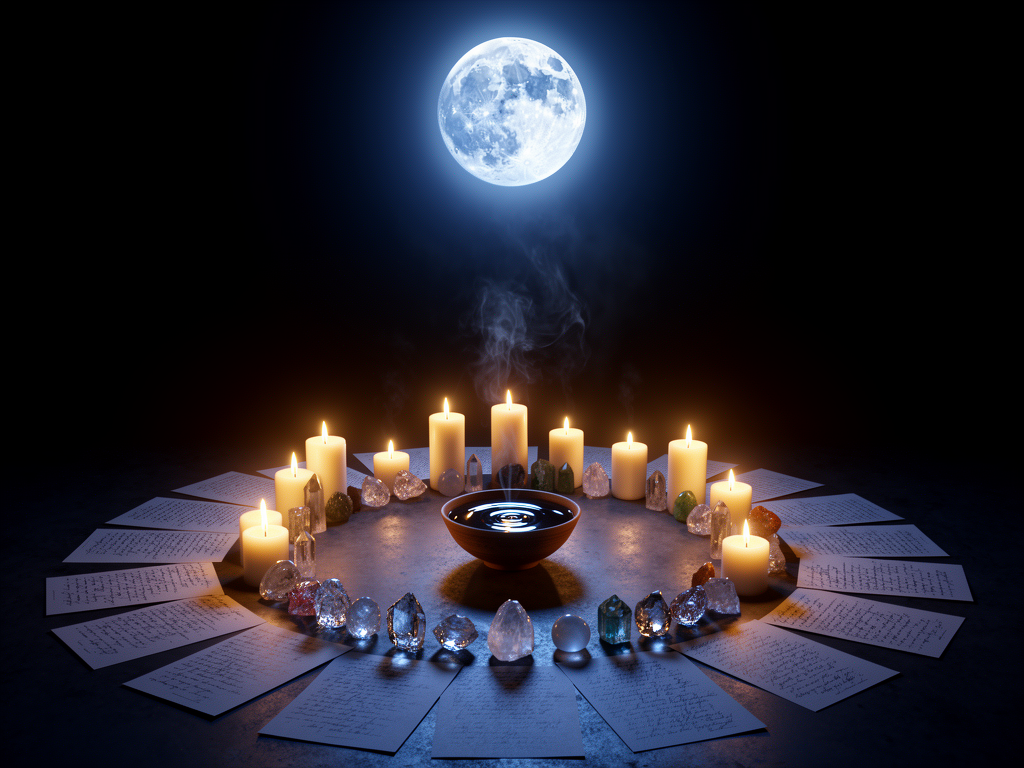
For millennia, the night sky has served as a canvas for human introspection, a celestial map guiding both the physical journeys of our ancestors and the quiet, internal voyages of the soul. At the center of this nocturnal tapestry is the moon, a celestial body that has captivated poets, philosophers, and mystics alike. When the moon swells to its full, luminous peak, it does more than simply command our visual attention; it invites us into a profound state of reflection. The Full Moon is a time of culmination, a moment when the hidden is brought into the light, and the shadows we often ignore are starkly illuminated.
In our modern, fast-paced world, we are frequently encouraged to constantly accumulate—whether that means acquiring new possessions, taking on new responsibilities, or absorbing endless streams of information. Yet, nature teaches us that growth requires a cycle of gathering and shedding. Trees must drop their leaves to survive the winter; rivers must flow outward to avoid stagnation. Similarly, human beings must periodically empty their psychological and spiritual vessels to make room for new experiences, insights, and joys. The Full Moon offers a natural, rhythmic invitation to engage in this necessary act of cosmic decluttering.
The Rhythms of Release
To understand the power of a Full Moon ritual, it is helpful to look at the broader context of the lunar cycle. The journey begins with the New Moon, a time of darkness and fertile emptiness. This is traditionally the moment for planting seeds, setting intentions, and envisioning what we wish to call into our lives. As the moon waxes and grows brighter over the following two weeks, we take action, building momentum toward our goals.
Then comes the climax: the Full Moon. Astrological tradition suggests that because the moon and the sun are directly opposite each other during this phase, it creates a powerful energetic tension. The sun, representing our conscious ego and outward expression, fully illuminates the moon, which symbolizes our subconscious, our emotions, and our intuition. This brilliant illumination acts as a spotlight on our internal landscape, revealing the habits, relationships, beliefs, and emotional baggage that are blocking our path.
Because the Full Moon marks the peak of the lunar cycle, it is inherently associated with letting go. The weeks that follow—the waning phase—are a time for releasing, shedding, and winding down. Engaging in a structured release ritual during the Full Moon allows us to consciously align our personal growth with these ancient, natural rhythms. It is an opportunity to look at what the light has revealed and courageously state, "I am ready to let this go."
The Architecture of a Release Ritual
A ritual is, at its core, a way of anchoring an invisible intention into physical reality. It bridges the gap between the mind and the body, allowing us to process complex emotions through tangible actions. The following structured Full Moon release ritual incorporates four key elements: writing, burning, bathing, and boundary-setting.
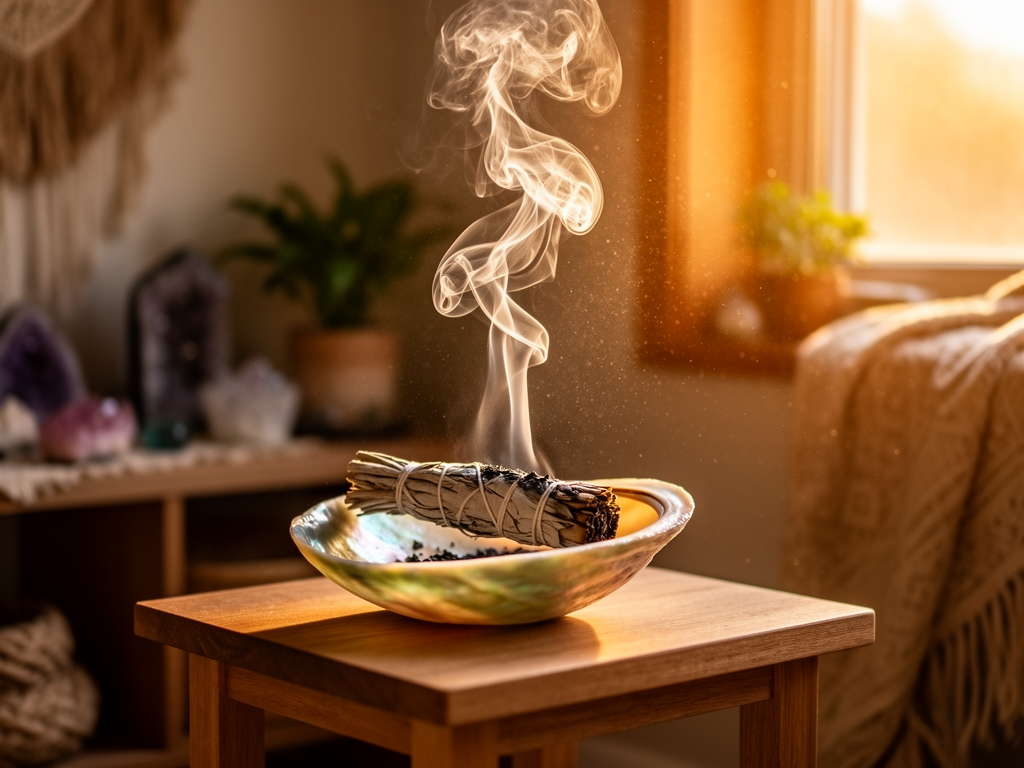
Before you begin, it is essential to create a sacred space. This does not require elaborate tools or expensive items; rather, it requires a shift in your attention. Turn off your phone, dim the artificial lights, and perhaps light a candle. Take a few deep, grounding breaths to transition from the mundane rush of your day into a state of quiet presence. You might choose to clear the energy of your space using sound—such as a singing bowl or a simple bell—or by burning aromatic herbs like garden rosemary or lavender, remaining mindful to use accessible, sustainable materials that honor the earth without appropriating the closed, sacred practices of indigenous cultures.
Step 1: The Illumination of Truth (Writing)
The first step in the release process is identifying exactly what needs to go. Under the light of the Full Moon, sit with a journal and a pen. Close your eyes and ask yourself: What is currently feeling heavy in my life? What recurring thoughts, toxic habits, or outdated beliefs are draining my energy?
Begin to write without censoring yourself. You might find that you need to release a specific fear, such as the fear of failure or the fear of being seen. You might need to let go of resentment toward a past partner, or perhaps you need to release the pressure you put on yourself to be perfect. Write these down on a loose piece of paper rather than in a bound journal, as you will be destroying this paper shortly.
Be as specific as possible. Instead of writing, "I release my anxiety," you might write, "I release the belief that I must control every outcome to be safe." This practice of externalizing your internal clutter brings the shadows into the light. By putting words to paper, you are taking the power away from the subconscious mind and placing it firmly in your conscious awareness.
Step 2: The Alchemy of Fire (Burning)
Once you have articulated what you are ready to release, it is time to engage with the element of fire. Fire is a universal symbol of transformation and rapid change; it consumes the old and turns it into ash, creating space for new growth.
For this step, you will need a fire-safe vessel—such as a cast-iron cauldron, a heavy ceramic bowl, or even a fireplace—and a source of ignition. (Please ensure you are practicing fire safety, keeping water nearby and never leaving the flame unattended.)
Take the piece of paper on which you have written your releases. Hold it in your hands for a moment, feeling the weight of the words. Acknowledge that these beliefs, habits, or relationships may have served a protective purpose at one time, but they are no longer required for your journey forward.
Light the edge of the paper and drop it into your fire-safe vessel. As you watch the paper burn, curl, and turn into smoke, visualize the heavy energy leaving your body and dissipating into the night air. Many practitioners believe that the smoke carries our intentions out into the universe, transforming our dense, stagnant energy into something light and ethereal. As the fire consumes the paper, you might choose to repeat a simple mantra, such as: "I release you. I am free. I make space for new light."
Step 3: The Waters of Renewal (Bathing)
After you have engaged with the intense, transformative energy of fire, it is vital to soothe your nervous system and cleanse your energetic field with water. Water is the element most closely associated with the moon, ruling our emotions, our intuition, and our capacity for healing.
Draw a warm bath. To elevate this from a simple act of hygiene to a profound spiritual practice, add elements that promote energetic clearing. Epsom salts or sea salts are excellent for drawing out physical and energetic toxins. You might also add a few drops of essential oils like eucalyptus for clarity, lavender for peace, or rose for self-compassion. If you do not have a bathtub, a shower can serve the same purpose; you can place a few drops of essential oil on the shower floor so the steam carries the scent.
As you submerge yourself in the water, close your eyes. Imagine the water drawing out any residual tension, anxiety, or grief that the fire ritual stirred up. This practice is designed to wash away the energetic residue of what you have just released. Feel the water holding you, supporting your weight, and offering you a clean slate. When you drain the tub or step out of the shower, visualize all the negativity, doubt, and old patterns swirling down the drain, returning to the earth to be neutralized and recycled.
The Aftermath: Setting Boundaries with the Past
A ritual, no matter how beautifully executed, is merely spiritual theater if it is not backed by conscious action in your waking life. Releasing a habit or a toxic dynamic during a Full Moon ritual is a powerful statement of intent, but the universe will invariably test that intent in the days that follow.
This is where the crucial work of boundary-setting begins. If you burned a piece of paper releasing a toxic relationship, setting a boundary means choosing not to answer a late-night text from that person two days later. If you bathed to wash away the need for perfectionism, setting a boundary means consciously choosing to submit a project that is "good enough" rather than agonizing over it for another sleepless night.
Boundaries are the architecture of your newly cleared space. They are the fences you build to protect the fertile soil you have just prepared. When you feel the temptation to slip back into the old patterns you just released—and you will, because human neurobiology favors the familiar—gently remind yourself of the commitment you made under the Full Moon. You have already let it go; do not invite it back in.
Embracing the Cycle
The beauty of lunar living is that it is cyclical, not linear. You do not have to achieve perfect enlightenment or completely banish all your flaws in a single night. The moon will wane, disappear into darkness, and eventually swell to fullness again next month. Each lunar cycle offers a fresh opportunity to peel back another layer of the onion, to release a little more, and to step more fully into your authentic self.
By engaging in these Full Moon rituals, you are participating in a timeless human tradition of seeking harmony with the cosmos. You are acknowledging that you are a part of nature, subject to the same laws of growth, release, and renewal as the tides and the seasons.
A Final Reflection Prompt
As you close your ritual and prepare to step back into the flow of your daily life, take one final moment to sit quietly. Place a hand over your heart, take a deep breath, and ask yourself:
Now that I have released what was heavy, what beautiful, unexpected thing do I finally have the space to welcome in?
Carry the answer to that question with you as you move forward, lighter, clearer, and beautifully renewed.