Understanding Your Birth Chart: A Complete Beginner's Guide
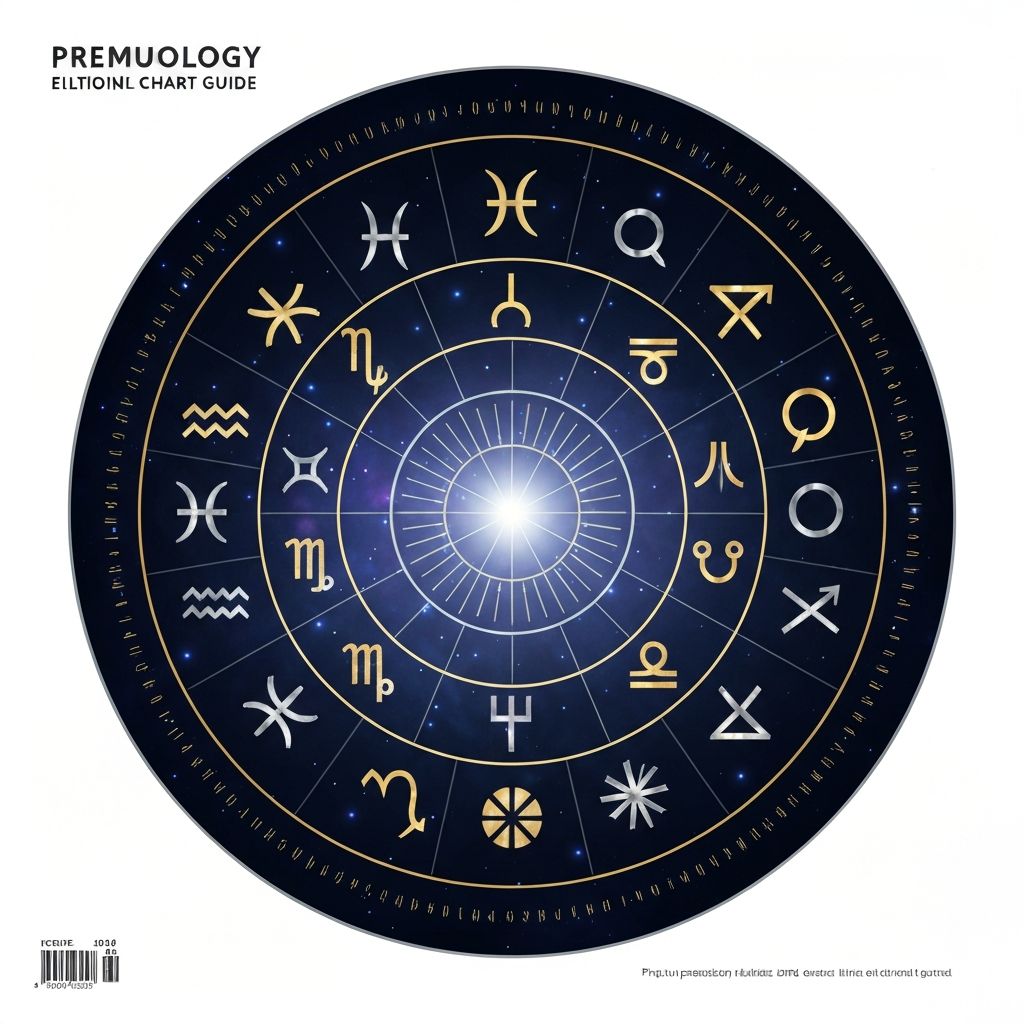
Your birth chart, also known as a natal chart, is essentially a map of where all the planets were in their journey around the Sun at the exact moment you were born. Think of it as a cosmic snapshot that captures the unique energy signature you carry throughout your life.
What Is a Birth Chart?
A birth chart is divided into 12 sections called "houses," each representing different areas of life. The planets, sun, and moon each occupy specific positions within these houses and zodiac signs, creating a complex web of influences that shape your personality, strengths, challenges, and life path.
Understanding your chart is like learning to read a new language—one written in the movements of celestial bodies. While it may seem complex at first, each element reveals something meaningful about who you are and how you experience the world.
The Big Three: Sun, Moon, and Rising
When someone asks "What's your sign?" they're usually asking about your Sun sign. But in astrology, there are three primary placements that form the foundation of your personality:
Your Sun Sign
Your Sun sign represents your core identity, ego, and the essence of who you are. It's the sign the Sun was in at the time of your birth and reflects your fundamental character traits. This is your conscious self—the you that you present to the world and the qualities you actively cultivate.
Your Moon Sign
Your Moon sign governs your emotional nature, subconscious patterns, and innermost needs. It reveals how you process feelings and what makes you feel secure. Where your Sun sign is who you're becoming, your Moon sign is who you already are at your deepest level.
Your Rising Sign (Ascendant)
Your Rising sign, or Ascendant, is the zodiac sign that was rising on the eastern horizon at your birth moment. It influences your outward appearance, first impressions, and how others perceive you. Think of it as the mask you wear when meeting the world.
The Planets and Their Meanings
Each planet in your chart represents a different aspect of your psyche:
- Mercury: Communication, thinking, learning, and how you process information
- Venus: Love, beauty, values, money, and what you find pleasurable
- Mars: Action, energy, passion, drive, and how you assert yourself
- Jupiter: Expansion, luck, growth, wisdom, and where you seek meaning
- Saturn: Discipline, limitations, lessons, karma, and your relationship with authority
- Uranus: Innovation, rebellion, sudden change, and your unique genius
- Neptune: Dreams, intuition, spirituality, illusion, and transcendence
- Pluto: Transformation, power, rebirth, and the deepest psychological drives
The 12 Houses
Each house in your chart represents a specific life area. The planets that fall in these houses color how you experience that area of life:
- First House: Self, identity, appearance, and new beginnings
- Second House: Values, possessions, self-worth, and material security
- Third House: Communication, siblings, short trips, and everyday mind
- Fourth House: Home, family, roots, and emotional foundation
- Fifth House: Creativity, romance, children, and self-expression
- Sixth House: Health, daily routines, service, and work
- Seventh House: Partnerships, marriage, contracts, and one-on-one relationships
- Eighth House: Transformation, shared resources, intimacy, and the unseen
- Ninth House: Philosophy, travel, higher learning, and spiritual seeking
- Tenth House: Career, reputation, public image, and legacy
- Eleventh House: Friends, groups, hopes and wishes, and community
- Twelfth House: Subconscious, secrets, spiritual growth, and endings
How to Read Your Chart
Start by identifying your Big Three, then explore which houses your planets occupy. Pay attention to any clusters of planets in particular houses or signs—these areas hold special significance in your life.
Remember, astrology is a tool for self-reflection and growth. Your chart doesn't determine your fate; it illuminates your potential and the energies you're working with in this lifetime.
As you become more familiar with these basic elements, you can begin exploring aspects (the geometric relationships between planets), which add another layer of nuance to your chart interpretation. The journey of understanding your birth chart is ongoing—each time you return to it, you may discover something new.


